Hero 1

Trusted Advice From Specialists Who Care

An in-depth look at why women experience hair shedding — identify the root causes, figure out your current stage, and explore therapies that deliver real, visible results

Schedule Your Free Consultation
Hero 2

Diffuse Thinning Is Not Your Fault

Understand how the Ludwig scale categorizes progression, examine the role of hormonal changes and postpartum transitions, and find clinically validated treatment options

Schedule Your Free Consultation
Hero 3

Regain the Fullness You Remember

From topical solutions to advanced hair transplantation — explore approaches designed around the unique needs of women

Schedule Your Free Consultation

Understanding Female Hair Loss

Female Pattern Hair Loss (FPHL)

Female pattern hair loss, also known as female androgenetic alopecia, impacts roughly 40% of women before they reach age fifty and can start as early as the teenage years. Unlike men, who tend to see recession at the temples and along the hairline, women with FPHL typically experience diffuse thinning spread across the top of the scalp while the frontal hairline stays mostly intact. The process involves progressive miniaturization of hair follicles, leading to a wider part and a noticeable drop in overall volume. You might notice more scalp showing through your hair, a ponytail that feels thinner than before, or extra strands left behind on your brush or in the shower drain. The emotional toll of female hair loss can be significant, affecting confidence, social interactions, and overall quality of life. The good news is that early intervention yields the best outcomes, and this condition responds well to modern treatment approaches.

The Ludwig Scale

The Ludwig scale is the standard classification system used to evaluate female pattern hair loss. Unlike the Norwood scale designed for men, the Ludwig scale focuses on the extent of diffuse thinning across the crown and top of the scalp. It identifies three stages of progression:

  • Ludwig Grade I (Mild): Early-stage thinning that usually shows up first as a widening part. The frontal hairline stays the same, but more scalp becomes visible through the hair on top. At this point, the thinning may be subtle enough that only you notice it. Topical Minoxidil tends to work very well when started at this stage.
  • Ludwig Grade II (Moderate): Noticeably increased thinning across the crown with a significantly wider part line. The scalp is clearly visible through the hair on top, and overall density has dropped considerably. Shedding may become more frequent. At this stage, combining Minoxidil with PRP or low-level laser therapy is recommended to maximize regrowth potential and stop further progression.
  • Ludwig Grade III (Advanced): Severe diffuse thinning across the entire top of the scalp. The scalp is highly visible, and remaining coverage is minimal. The frontal hairline may begin to thin but usually remains present. At this stage, hair transplantation can be a strong option as long as the donor area at the back of the scalp has sufficient density, and results can be enhanced with ongoing medical therapy.

Common Causes in Women

The Many Factors Behind Female Hair Loss

While male hair loss is mainly driven by DHT sensitivity, female hair loss usually comes from a combination of overlapping factors that each need to be identified and addressed for treatment to succeed:

Hormonal Shifts: Changes in estrogen and progesterone during menopause, pregnancy, the postpartum period, or after stopping birth control pills can trigger either temporary or ongoing hair shedding. Polycystic ovary syndrome (PCOS) is another common hormonal condition that leads to hair thinning in women because of elevated androgen levels.

Stress and Telogen Effluvium: Physical or emotional stress — from illness, surgery, rapid weight loss, or psychological trauma — can force a large number of hair follicles into the resting (telogen) phase all at once, causing noticeable shedding two to four months after the triggering event. This type of hair loss is usually temporary and reversible once the underlying cause is resolved.

Traction Alopecia: This type of hair loss comes from hairstyles that constantly pull on the follicles, such as tight ponytails, braids, extensions, and weaves. Over time, this repeated tension damages the follicles and can lead to permanent hair loss along the hairline if not caught early. The fix is simple: stop wearing tight hairstyles and give your hair regular breaks from tension.

Nutritional Deficiencies: Low levels of iron (ferritin), vitamin D, zinc, biotin, and protein can weaken the body's ability to grow healthy hair. A full blood panel is an essential part of diagnosing female hair loss. Many women see a meaningful improvement in hair quality once identified deficiencies are corrected through diet changes and supplementation.

Treatment Options for Women

Topical Minoxidil

As the only FDA-approved medication for female pattern hair loss, Minoxidil 2% or 5% topical solution applied once or twice daily stimulates follicles and increases hair density. It is safe for long-term use in women and works independently of hormonal pathways, making it suitable regardless of the underlying cause. Most women see visible results after four to six months of consistent use, and continued application is needed to maintain the benefits.

PRP Therapy

Platelet-Rich Plasma injections use growth factors from your own blood to stimulate follicle activity and improve scalp health. PRP is especially popular with women because it is completely natural, has no hormonal side effects, and works well alongside other treatments. A typical course of three to four sessions spaced one month apart usually produces noticeable improvements in hair density and quality.

Hair Transplantation

Women with stabilized hair loss and good donor density can be excellent candidates for FUE hair transplantation. Unlike men, women often benefit from placing grafts into areas of diffuse thinning rather than completely bald zones. This technique requires exceptional surgical skill to protect the surrounding native follicles. When performed by experienced surgeons, female hair transplants produce natural-looking, impressive results.

Educational Guide

Female Hair Loss Guide

Understand your hair situation and find the right path forward
Female Hair Loss Guide

You Are Not Alone in This

Approximately 40% of women experience hair loss by age 50, and up to 50% by age 70. Women's hair loss looks different from men's — it usually shows up as overall thinning rather than distinct bald patches. The encouraging truth is that with early detection and the right approach, women can effectively manage hair loss and maintain beautiful, healthy hair. This guide is designed to help you understand your specific situation and find solutions that actually work.

  • Understand female-pattern loss
  • Identify your personal triggers
  • Explore treatment options
  • Know when to take action
  • Find your best solution

Types of Female Hair Loss

Figure out which type of hair loss you are dealing with

Androgenetic Alopecia

  • Also called Female Pattern Baldness
  • Most common type (50% of cases)
  • Diffuse thinning across the top of the scalp
  • Widening of the central part
  • Frontal hairline stays intact

Postpartum Hair Loss

  • Starts 2-4 months after giving birth
  • Heavy shedding (100-300 hairs per day)
  • Caused by hormonal changes (estrogen drop)
  • Usually self-limiting (6-12 months)
  • Distressing but typically resolves on its own

Telogen Effluvium

  • Sudden, widespread shedding
  • Often linked to stress
  • Triggered by illness, surgery, or crash dieting
  • Usually reversible
  • Requires time and patience to recover

Ludwig Scale for Women

Determine how far your hair loss has progressed

Stage I

  • Slight widening of the part
  • Early thinning on top
  • Can be hidden with styling
  • Best time for preventive treatment
  • Medications are most effective here

Stage II

  • Clearly wider part line
  • Scalp visible through the hair
  • Hair noticeably less full
  • Combination therapy recommended
  • Transplant becomes an option

Stage III

  • Extensive diffuse thinning
  • Large areas of scalp exposure
  • Limited donor supply
  • Medical treatment is the priority
  • Stabilization is the main goal

Causes of Female Hair Loss

Find out what is causing your hair to fall out

Genetics & Heredity

  • Family history from either parent counts
  • Predisposition to female pattern loss
  • Follicle sensitivity to DHT
  • Slow, steady thinning over time
  • Usually becomes noticeable after menopause

Hormonal Changes

  • Pregnancy and childbirth
  • Menopause (drop in estrogen)
  • Starting or stopping birth control
  • Thyroid problems
  • PCOS (Polycystic Ovary Syndrome)

Nutritional & Lifestyle

  • Iron deficiency (very common in women)
  • Low vitamin D and B12 levels
  • Not enough protein in the diet
  • Crash dieting and rapid weight loss
  • Excessive heat styling and chemical treatments

What You Can Do About It

Practical steps matched to each stage of hair loss

Medical & Nutritional

  • Start with Minoxidil 2%
  • Fix any nutritional gaps
  • Add biotin and iron supplements
  • Eat more protein
  • Look into PRP therapy

Hair Care & Styling

  • Use gentle shampoos
  • Avoid tight hairstyles
  • Cut back on heat and chemicals
  • Try hair toppers if needed
  • Scalp massages to boost circulation

Surgical Options

  • Hair transplantation for stage II-III
  • FUE technique adapted for women
  • Careful placement for a natural look
  • Restore the hairline or part density
  • Combined with ongoing medical treatment

Your Action Steps

Follow these steps to address your hair loss with confidence

1

Identify Your Type

Use the Ludwig scale to determine your hair loss stage

2

Get Blood Work

Check for nutritional deficiencies and hormone imbalances

3

Start Minoxidil

Begin using 2% topical solution regularly

4

Optimize Nutrition

Correct any deficiencies found in your blood work

5

Consider Transplant

Explore surgical options if your situation calls for it

6

Monitor Progress

Track results and keep up with your hair health routine

Barley Hair Transplant Female Hair Loss Program Advantages

What makes our women's hair loss program different when it comes to delivering real, beautiful results

Female-Specific Assessment

Unlike many clinics, we understand that women's hair loss works differently. Our evaluation includes a thorough medical review, hormone testing, and a genuine focus on your personal goals and concerns.

Natural-Looking Results Focus

Women's goals are often different — maintaining femininity, achieving a believable hairline, and adding subtle volume. Our doctors are skilled at creating soft, natural hairlines with artistic graft placement for beautiful, undetectable results.

Compassionate, Personalized Care

We know that hair loss in women carries a heavy emotional burden. Our English-speaking female staff provides caring, empathetic support throughout your entire journey, from the first consultation to post-procedure follow-ups.

Why Choose Barley Hair Transplant

A trusted name with a proven history of success

18+ Years Experience

Pioneer and leader in microneedle hair transplant technology since 2006

30+ Direct-operated clinics

Located in major cities across China, each meeting the same high standards

10+ Patented Technologies

Proprietary microneedle and implant pen innovations that deliver superior results

100K+ Successful Procedures

Trusted by patients around the world for outstanding transformations

English-speaking staff

Full English support for international patients at every stage of treatment

Safety First

State-of-the-art facilities with strict safety protocols for your complete peace of mind

Real Results

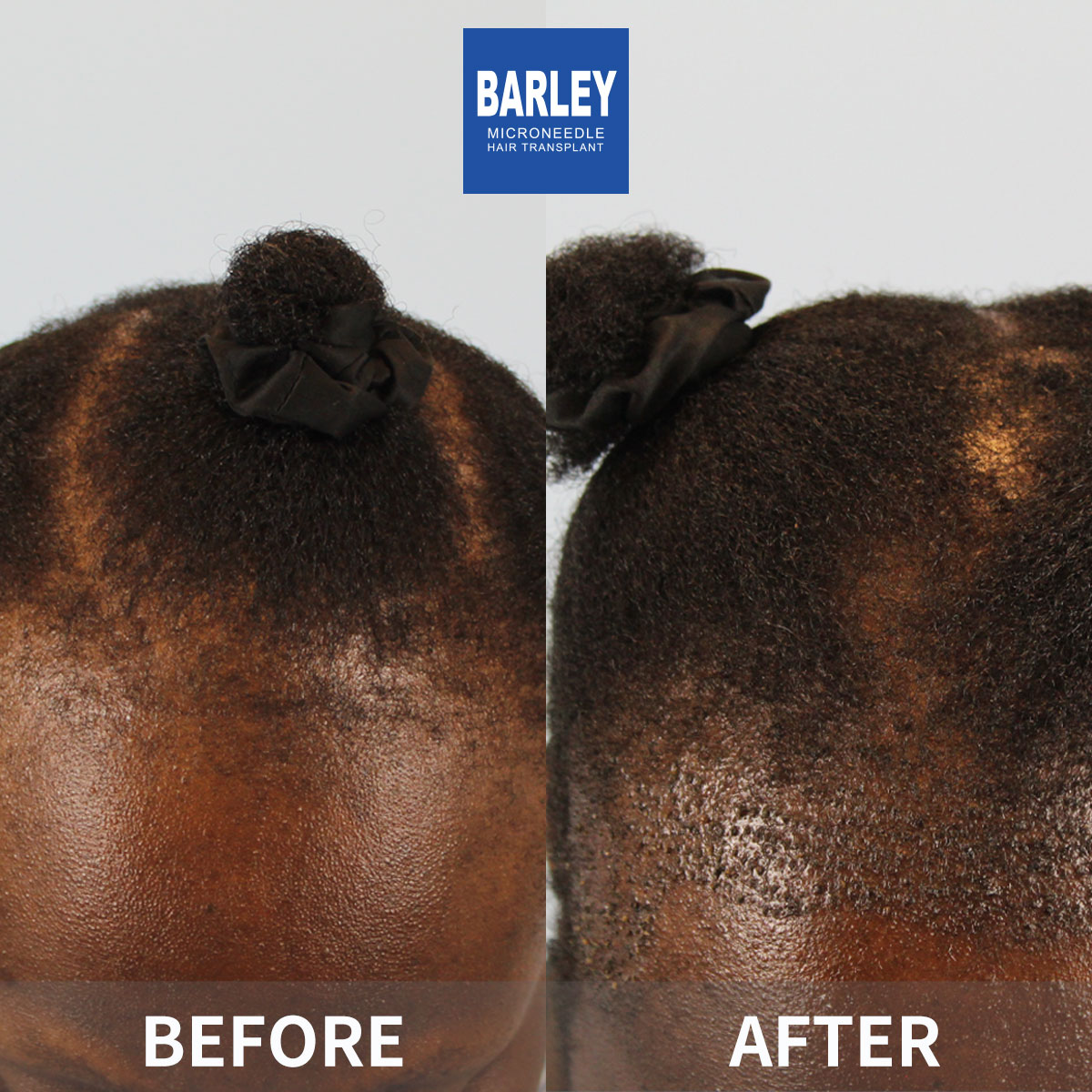
See the incredible transformations our patients have achieved
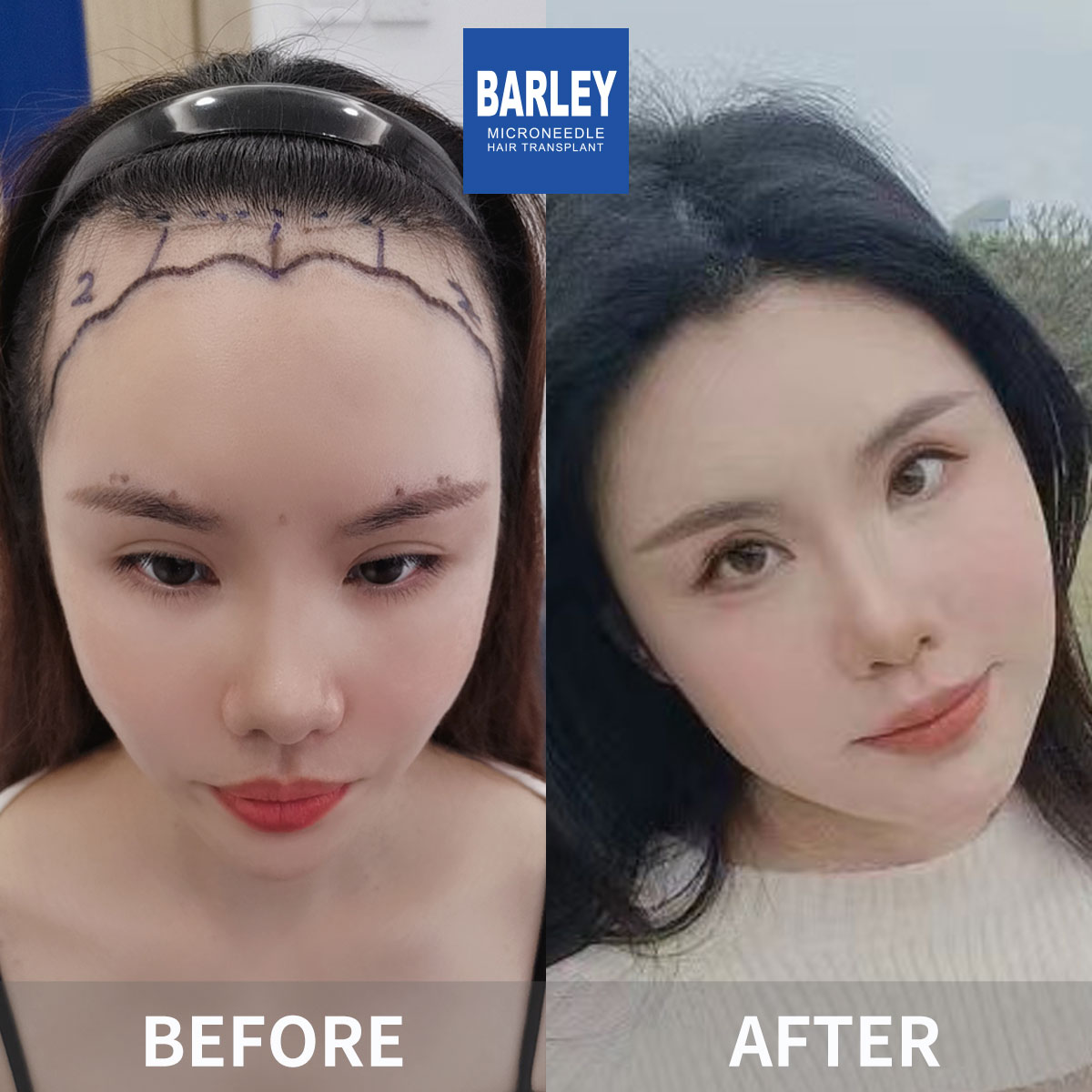
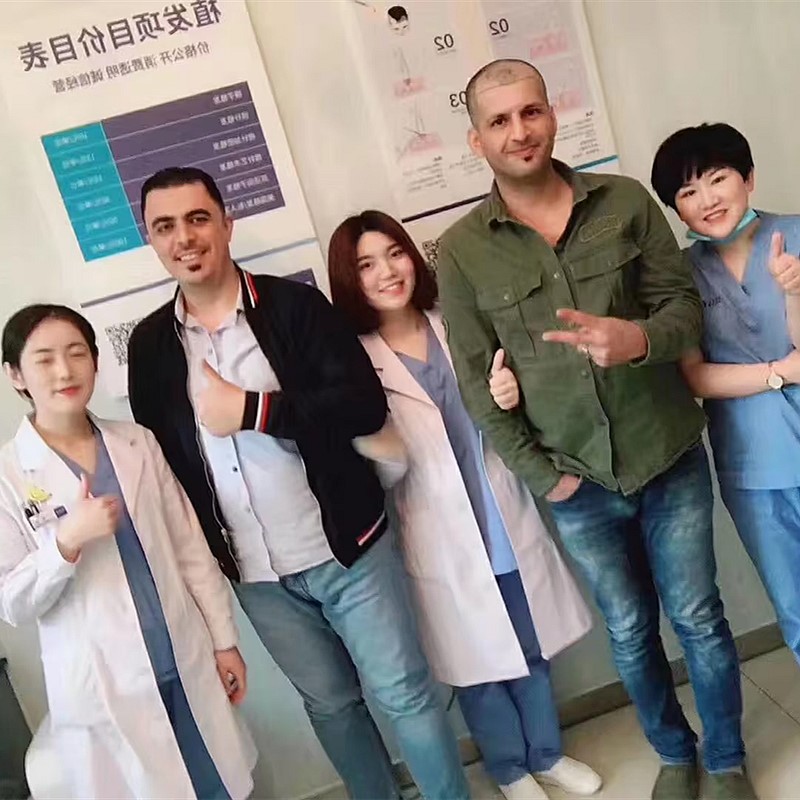
Happy Patients

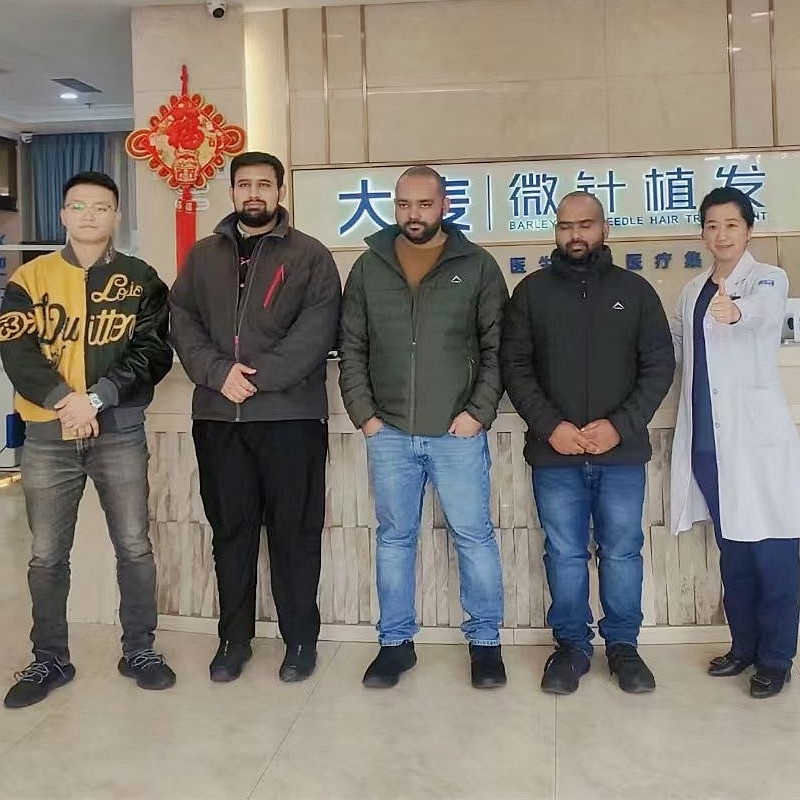
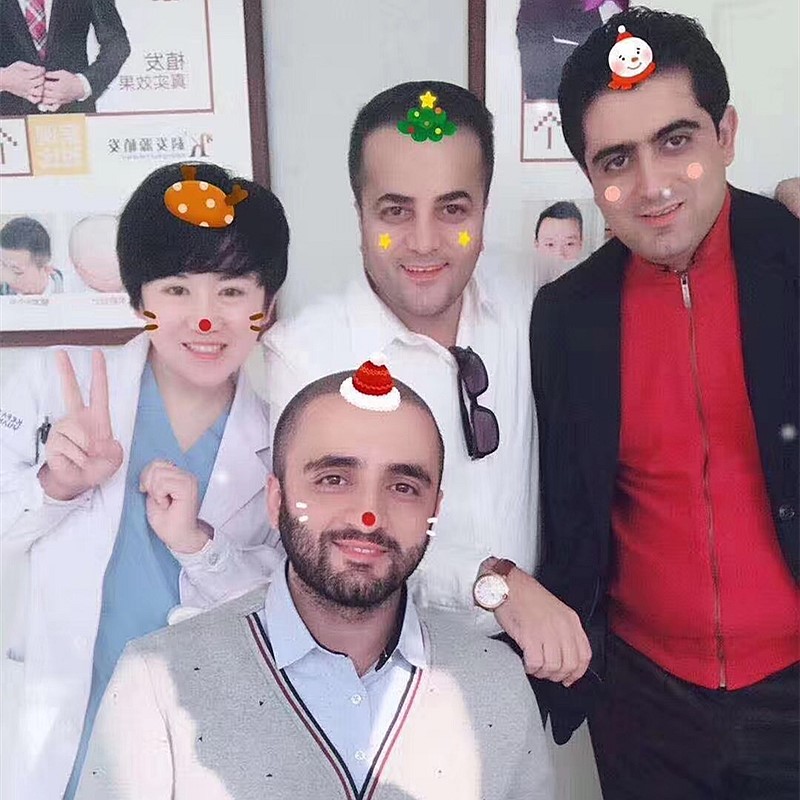
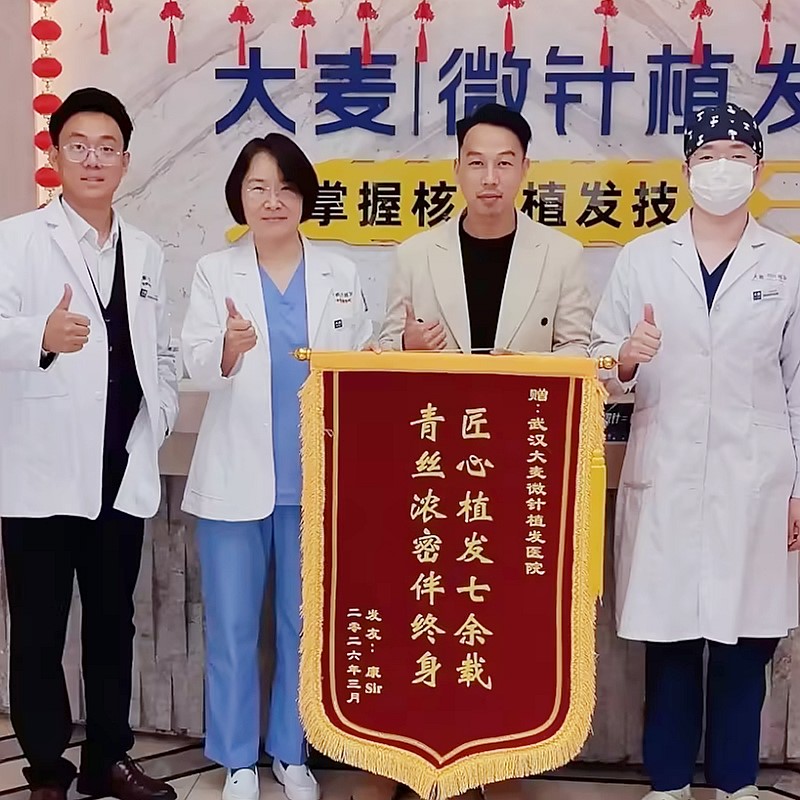
Smiling faces from patients who trusted us with their care
Feeling Great

Feeling Great

The guide made all the difference

Healthy Hair

Healthy Hair

Noticeably better now

Confidence Back

Confidence Restored

Feeling like myself again

Perfect Choice

Best Decision Ever

So glad I chose Barley

Better Hair

Better Hair

Real improvement in hair health

Satisfied

Satisfied

Thrilled with the outcome

Success

Success Story

My hair has never looked better

Happy Patient

Happy Patient

Back to feeling confident

What Our Patients Say

Real stories from women around the world who found answers — and saw real change

"As a woman dealing with thinning hair, I felt isolated. Everything I found online was about male pattern baldness. This guide explained the Ludwig scale and helped me understand that my crown thinning is a real, treatable condition. Just knowing I wasn't alone was a huge relief."

SH

Sarah Henderson

Australia

"After my second baby, the shedding was terrifying. I thought it was permanent. The guide explained telogen effluvium and reassured me it was temporary. The Barley team confirmed this and helped me with iron supplements. By month eight postpartum, my hair was back to normal. I wish I had found this information sooner."

MC

Maria Costa

Portugal

"The stress section really resonated with me. I'd been under intense work pressure for months and noticed my ponytail getting thinner weekly. Learning about cortisol's impact on follicles motivated me to address both the stress and the hair loss. The holistic approach at Barley was exactly what I needed."

NK

Natasha Kowalski

Poland

"I was too embarrassed to mention hair loss to my regular doctor. This guide gave me the vocabulary and confidence to seek help. The dermatologist at Barley ran blood tests that uncovered an undiagnosed thyroid issue. Treating the thyroid along with topical minoxidil made a huge difference. I finally feel like myself again."

LB

Lisa Bergström

Sweden

"The nutrition section was eye-opening. I'd been eating restrictively for years without connecting it to my hair loss and low iron levels. The guide helped me piece it together. Once blood work confirmed deficiencies, targeted supplements and dietary changes turned my thinning around within six months. I feel healthier overall."

YT

Yuki Tanaka

Japan

"Menopause at 52 brought significant hair thinning that shook my confidence. The guide explained how dropping estrogen triggers female pattern hair loss. Understanding the science removed my guilt. The treatment plan at Barley — combining hormone therapy with PRP — brought back both my hair and my self-esteem."

BM

Brigitte Meyer

Germany

Our Clinic Environment

Take a look at our modern and comfortable treatment spaces

Hospital 1

Modern Clinic

Our state-of-the-art facility

Hospital 2

Comfortable Waiting Area

Relax in our premium lounge

Hospital 3

Operating Room

Sterile and advanced

Hospital 4

Consultation Room

Private and professional

Hospital 5

Recovery Area

Comfortable post-op space

Hospital 6

Reception

Warm and welcoming entrance

Frequently Asked Questions About Female Hair Loss

Expert answers to the questions women ask most about thinning hair, root causes, and treatment options

Is female hair loss genetic or could it be something else?
Female pattern hair loss (FPHL) affects about 40% of women by age 50 and has a strong genetic component. However, unlike men, women often have multiple contributing factors — hormonal changes, nutritional deficiencies, thyroid issues, stress, and certain medications can all play a role. A comprehensive evaluation including bloodwork and trichoscopy helps identify all potential causes so we can create a targeted treatment plan.
What is the Ludwig scale and how does it classify female hair loss?
The Ludwig scale has three grades: Grade I means mild thinning with a slightly wider part that can still be hidden with styling. Grade II shows moderate thinning where the scalp is clearly visible through the hair on top. Grade III is the most advanced stage — the scalp is widely exposed across the crown, though the frontal hairline usually remains. Our specialists use this scale during your consultation to determine the best treatment approach for your specific stage.
Is postpartum hair loss permanent?
Postpartum hair loss is almost always temporary. During pregnancy, elevated estrogen levels keep more hairs in the growth phase. After delivery, estrogen drops sharply and those extra hairs all enter the shedding phase at once. This heavy shedding usually starts two to four months after childbirth and resolves on its own within six to twelve months. If hair loss continues past a year, we recommend a consultation to rule out other causes like thyroid issues or iron deficiency.
Can menopause cause hair thinning?
Absolutely. During menopause, estrogen and progesterone levels drop significantly. These hormones normally help keep hair in the growth phase and counteract the effects of androgens. As they decline, even normal androgen levels can cause hair follicles to shrink. This is why many women first notice significant thinning during or after menopause. Treatment combining topical Minoxidil, PRP therapy, and sometimes hormone therapy can effectively manage postmenopausal hair loss.
Can PCOS cause hair loss in women?
Yes. Polycystic Ovary Syndrome (PCOS) causes elevated androgen levels in women, which can lead to scalp hair thinning — often along with excess facial or body hair growth. If you have PCOS and are experiencing hair loss, addressing the underlying hormonal imbalance is essential. Our doctors can work with your endocrinologist or gynecologist to create a comprehensive treatment plan that tackles both the PCOS and the hair loss simultaneously.
What is telogen effluvium and how is it different from pattern hair loss?
Telogen effluvium is a type of hair loss triggered by a major physical or emotional stressor — like surgery, serious illness, rapid weight loss, or intense psychological distress. It pushes many follicles into the resting phase at once, causing dramatic, widespread shedding two to four months later. Unlike female pattern hair loss (which develops slowly and progressively), telogen effluvium is usually temporary and resolves once the underlying stressor is addressed. However, it can sometimes unmask or accelerate underlying genetic thinning.
Can nutritional deficiencies cause hair loss in women?
Yes — and this happens more often than most people realize. Iron deficiency (low ferritin) is one of the top causes of hair thinning in women, especially those with heavy menstrual periods. Low vitamin D, low B12, insufficient zinc, and not enough protein in the diet can all weaken hair quality and increase shedding. We recommend a full blood panel as a standard part of every hair loss evaluation. In many cases, correcting identified deficiencies leads to visible improvement within three to six months.
Is Minoxidil safe for women to use?
Yes — topical Minoxidil is the only FDA-approved medication specifically for female pattern hair loss. Women can use either the 2% solution (applied twice daily) or the 5% foam/solution (applied once daily). It works by widening blood vessels and extending the growth phase of hair follicles. Most women see visible improvement within four to six months. A temporary increase in shedding during the first two to eight weeks is normal and shows the medication is working. Minoxidil should not be used during pregnancy or while breastfeeding.
What is PRP therapy and is it effective for women?
PRP (Platelet-Rich Plasma) therapy involves drawing a small amount of your own blood, processing it to concentrate the platelets and growth factors, and then injecting the enriched plasma directly into the scalp. These growth factors stimulate dormant follicles, improve blood flow, and create a healthier scalp environment. PRP is especially popular with women because it is completely natural, has no hormonal side effects, and can be safely combined with Minoxidil. A standard protocol includes three to four sessions spaced one month apart, followed by maintenance treatments every six to twelve months.
Can women get hair transplant surgery?
Yes, absolutely. Women with stabilized hair loss and good donor density at the back of the scalp are excellent candidates for FUE hair transplantation. Female transplants usually involve placing grafts strategically into areas of diffuse thinning rather than completely bald zones — a technique that requires significant surgical skill to avoid damaging existing native hairs. At Barley Hospital, our surgeons have extensive experience performing female hair transplants that produce natural, undetectable results.
Does traction alopecia cause permanent hair loss?
Traction alopecia is caused by hairstyles that constantly pull on the hair follicles — tight ponytails, braids, extensions, and weaves are common culprits. If caught early and the tension-causing hairstyle is stopped, the follicles can recover. However, prolonged tension causes permanent follicle damage and scarring, leading to irreversible hair loss along the affected hairline. Prevention is simple: avoid consistently tight hairstyles and give your hair regular breaks from tension.
Are there any supplements that actually help with female hair loss?
Supplements are helpful only when there is a confirmed deficiency. The most common deficiencies that affect women's hair include iron (ferritin below 40-70 ng/mL), vitamin D, B12, and zinc. Biotin is heavily marketed for hair health, but true biotin deficiency is very rare — supplementing when your levels are already normal provides no extra benefit. We always recommend getting blood work done before trying supplements. When a deficiency is confirmed, targeted supplementation can make a visible difference.
How is female hair loss different from male pattern baldness?
The main difference is the pattern. Men typically experience recession at the temples and crown, eventually progressing to complete baldness on top. Women, on the other hand, usually keep their frontal hairline while experiencing diffuse thinning across the crown and part line. Also, female hair loss has more varied contributing factors — hormonal changes, nutritional gaps, and stress play bigger roles than they do in men. These differences mean that treatment plans need to be tailored specifically for women.
Can birth control pills cause or worsen hair loss?
Some oral contraceptives can trigger hair shedding, especially those with progestins that have high androgenic activity. On the other hand, certain birth control formulations — particularly those with low-androgenic progestins — can actually help women with androgen-related hair loss. If you suspect your birth control is contributing to thinning, talk to your gynecologist about switching to a different formulation. Never stop taking birth control without consulting your doctor first.
Can I color or chemically treat my hair if I am experiencing thinning?
Generally, yes — but with care. Gentle coloring and moderate chemical treatments are usually fine. However, heavy bleaching, frequent perming, or harsh chemical straightening can weaken already-thinning hair shafts and cause breakage, which makes thinning look worse. We recommend using ammonia-free dyes, spacing out treatments, and adding deep conditioning to your routine. If you are undergoing PRP therapy or have recently had a transplant, wait until your scalp has fully healed before resuming chemical treatments.

Ready to Get Started?

Reach out to arrange your complimentary consultation

WeChat

15810155700

WhatsApp

+86 13730143529

Email

hairtransplant@qq.com

WeChat QR Code