Hero 1

Address Hair Thinning at Its Root Cause

The sole FDA-cleared oral medication that inhibits DHT—the key hormone behind male pattern baldness

Request Your Complimentary Estimate
Hero 2

End the Shedding. Ignite Fresh Growth.

Validated through clinical research to retain your current hair and encourage regeneration on the crown and mid-scalp regions

Request Your Complimentary Estimate
Hero 3

Recommended by Hair Restoration Experts

Tailored dosing schedules, continuous safety oversight, and knowledgeable direction from seasoned physicians

Request Your Complimentary Estimate

What Is Finasteride?

Finasteride is a doctor-prescribed oral medication that inhibits an enzyme known as 5-alpha-reductase. Originally developed during the 1980s for treating benign prostatic hyperplasia, it received FDA clearance for androgenetic alopecia in 1997 under the brand name Propecia. This compound prevents your body from producing DHT, a hormone responsible for miniaturizing hair follicles in genetically susceptible individuals. As DHT concentrations decrease, the progressive shrinking cycle that produces finer, shorter hair gets disrupted, enabling follicles to restore their normal growth patterns. More than three decades of peer-reviewed research demonstrate that a daily 1 mg dose reduces serum DHT by approximately 68% and scalp DHT by roughly 60%, establishing it as the most potent oral therapy for hair loss currently available. Over 40 million men across the globe have used finasteride, building an extensive safety database confirming its long-term tolerability.

How Finasteride Works

Inhibits DHT Synthesis

Finasteride prevents the Type II 5-alpha reductase enzyme from converting testosterone into dihydrotestosterone (DHT). By interrupting this biochemical pathway, finasteride substantially reduces DHT concentrations in your bloodstream and, most importantly, within your scalp where hair follicles reside. Decreased DHT translates to reduced activation of androgen receptors on susceptible follicles, which effectively halts the miniaturization cascade responsible for hair thinning and baldness in men affected by androgenetic alopecia.

Halts Hair Loss Advancement

The primary advantage of finasteride lies in its capacity to arrest or significantly decelerate ongoing hair loss. Controlled clinical trials indicate that roughly 86% of men using finasteride either ceased further shedding or experienced observable regrowth within a two-year period. By preserving the hair you currently possess—which DHT would otherwise progressively eliminate—finasteride maintains your existing hair density and establishes a reliable base for complementary procedures such as hair transplant surgery or topical minoxidil application to enhance.

Encourages Hair Regeneration

Although finasteride excels at preventing additional hair loss, numerous patients also observe new growth in regions where follicles have recently miniaturized but have not yet undergone permanent closure. This regeneration is most prominent on the crown and mid-scalp areas, with noticeable gains in hair count and strand thickness generally becoming apparent following 6-12 months of regular use. You will maximize your regrowth potential by initiating therapy early, prior to follicles sustaining permanent, irreversible damage.

Administration Guidelines & Precautions

Finasteride is administered as a 1 mg tablet taken once daily, either alongside meals or on an empty stomach. The essential factor is regularity—you must consume it each day without interruption to sustain its effectiveness. Here is what you should understand: finasteride represents a long-term commitment. Upon discontinuation, DHT levels rebound within several weeks, and any hair that was preserved or regenerated will progressively shed over 6-12 months. This medication carries approval for male patients exclusively. It is not advised for women, particularly those who are expecting or may conceive, due to the risk of fetal abnormalities. Women must avoid contact with crushed or fractured tablets. Adverse reactions occur infrequently (impacting roughly 2-4% of users) but may encompass diminished libido, erectile difficulties, and decreased ejaculate volume. These symptoms typically resolve upon cessation of the medication. Prior to beginning finasteride, you should undergo a comprehensive evaluation with a licensed physician and receive appropriate screening. At Barley Hospital, our specialists deliver thorough assessment and continuous oversight to ensure your treatment remains both safe and productive.

Anticipated Outcomes

Finasteride outcomes follow a predictable progression. Throughout the initial three months, you will generally observe reduced daily shedding as DHT concentrations decline and follicles begin to stabilize. Between months three and six, preliminary indicators of enhancement may become apparent, with hair loss visibly decelerating or ceasing entirely. By months six through twelve, numerous patients notice quantifiable gains in hair density and strand caliber, particularly across the crown and mid-scalp zones. Peak benefits materialize following 12-24 months of uninterrupted therapy. Beyond the two-year milestone, the medication continues sustaining achieved results provided you maintain your daily regimen. It is advisable to document progress through photographs, since incremental improvements can be difficult to perceive on a day-to-day basis. Finasteride performs optimally within a comprehensive hair restoration strategy—many of our patients pair it with minoxidil, PRP therapy, and/or hair transplant surgery to achieve the most durable, impressive outcomes. Our clinical team at Barley Hospital develops individualized treatment protocols and conducts periodic follow-up evaluations to monitor your advancement and modify your plan as necessary.

Clinical Grade

Finasteride Treatment Program

Oral medication to eliminate DHT-driven hair loss in men
Finasteride

Eliminate Hair Loss at Its Origin

Finasteride is an FDA-cleared oral medication that functions by suppressing DHT, the hormonal agent responsible for male pattern baldness. It ranks among the most potent hair loss solutions currently available. At Barley Hair Transplant, we offer expert medical counseling on finasteride, ensuring you comprehend its mechanism, anticipated outcomes, and whether it represents the optimal choice for your individual hair restoration pathway.

  • FDA-cleared for male patients
  • Suppresses DHT synthesis at the source
  • Prevents additional hair shedding
  • Capable of triggering observable regrowth
  • Expert medical supervision included

Ideal Candidates

  • Men observing early signs of hair thinning
  • Individuals in initial to moderate hair loss phases
  • Patients seeking to retain their current hair
  • Pre-surgical and post-surgical transplant patients
  • Individuals with hereditary baldness patterns
  • Anyone noticing progressive hair density reduction

Concerns We Address

  • DHT-driven hair shedding
  • Gradual thinning distributed across your scalp
  • A continuously receding frontal hairline
  • Crown region balding (vertex area)
  • Demand for a scientifically proven solution
  • Desire to prevent additional hair loss

What Sets Barley Apart

  • Clinical oversight: Comprehensive evaluation and continuous monitoring throughout treatment
  • Complete education: Full understanding of advantages and potential concerns
  • Integrated strategy: Complements transplant procedures seamlessly
  • Transparent expectations: We provide precise details on anticipated outcomes
  • Continuous assistance: Available whenever questions or concerns arise
  • Established credibility: Relied upon in clinical settings for many years

The Mechanism Behind Finasteride

The scientific foundation explaining why this DHT inhibitor produces tangible outcomes

Biological Process Explained

  • Inhibits the 5-alpha-reductase type II enzyme
  • Reduces DHT by approximately 60% at the 1 mg dosage
  • DHT serves as the primary hormonal agent of baldness
  • Protects follicles from progressive miniaturization
  • Convenient once-daily oral administration

FDA-Cleared for Male Use

  • Received FDA approval in 1997 (marketed as Propecia)
  • Validated through numerous large-scale clinical investigations
  • Roughly 90% of users experience improvement or stabilization
  • Indicated for adult males exhibiting pattern hair loss
  • Recognized as the gold standard oral therapy for alopecia

Target Patient Profile

  • Males diagnosed with androgenetic alopecia
  • Early to moderate stages of hair thinning
  • Individuals carrying a hereditary predisposition to balding
  • Stabilizing existing hair prior to transplant surgery
  • Sustaining results following transplant procedures

Clinical Evidence & Your Expected Timeline

Authentic clinical findings and what you can anticipate throughout your journey

Clinical Research Findings

  • Year 1: 83% maintained or recovered hair
  • Crown region: 66% experienced observable new growth
  • Frontal hairline: 37% demonstrated measurable enhancement
  • Verified through independent photographic documentation
  • Compared against merely 28% receiving placebo

Your Expected Progression

  • Months 1-3: Hair shedding begins to stabilize
  • Months 4-6: Noticeable regrowth commences
  • Month 12: Optimal results become visible
  • Month 24: Additional enhancement remains achievable
  • Continue daily administration to sustain achieved benefits

Combined with Hair Transplant

  • Maintains your remaining native hair in stable condition
  • Assists in safeguarding the donor area
  • Enhances survival rates for transplanted grafts
  • Optimizes your comprehensive aesthetic outcome
  • Produces superior results when paired with minoxidil

Safety Profile

  • The majority of patients tolerate it exceptionally well
  • Infrequent: approximately 2% report sexual side effects
  • Adverse reactions typically resolve upon discontinuation
  • Contraindicated for women and pediatric patients
  • Always consult your physician regarding potential risks beforehand

Individualized Medical Oversight

  • Comprehensive health evaluation prior to initiation
  • Personalized assessment of risks versus benefits
  • Scheduled follow-up consultations
  • Continuous progress documentation
  • Dosage modifications when clinically indicated

Safe Administration Protocols

  • Available exclusively by prescription
  • Standard dosage: 1 mg per day
  • Consistent daily adherence is essential
  • Periodic health evaluations recommended
  • Professional medical guidance throughout the entire process

Your Finasteride Treatment Pathway

A clear, structured approach toward denser, healthier hair

1

Clinical Evaluation

We determine whether finasteride suits your specific situation

2

Patient Orientation

We ensure you completely grasp the treatment mechanism

3

Daily Administration

A single tablet each day—effortless to maintain

4

Observation Phase

Allow 3-6 months for noticeable transformations

5

Progress Assessment

We monitor and record your improvements systematically

6

Sustained Maintenance

Continue therapy to preserve your achieved outcomes

Reasons to Select Our Finasteride Program

Why our finasteride protocol emphasizes both patient safety and therapeutic efficacy

Comprehensive Health Screening

Before initiating finasteride therapy, our physicians perform an extensive medical evaluation to confirm suitability, encompassing a detailed review of your medical background and an individualized analysis of risks versus benefits.

Continuous Safety Oversight

Periodic consultations with our clinical staff to observe your progression, promptly resolve any concerns, and confirm you are responding favorably to treatment with optimal safety maintained throughout your entire therapeutic journey.

In-Depth Patient Instruction

We go beyond simply dispensing medication—we provide thorough education regarding anticipated experiences, mechanism of action, realistic timeframes, and strategies for maximizing your outcomes, all supported by more than 18 years of clinical expertise.

Why Select Barley Hair Transplant

Recognized industry leader delivering verified outcomes with global acclaim

18+ Years of Excellence

Trailblazer and industry leader in microneedle hair transplant technology since 2006

30+ Directly-Managed Facilities

Spanning major metropolitan centers throughout China, each upholding identical quality benchmarks

10+ Proprietary Innovations

Advanced microneedle and implant pen technology delivering exceptional outcomes

100K+ Completed Procedures

Trusted by individuals worldwide for outstanding, natural-looking results

Fluent English-Speaking Team

Complete English-language assistance for international patients throughout their entire treatment experience

Safety as Top Priority

Cutting-edge facilities combined with rigorous safety standards ensuring your complete confidence

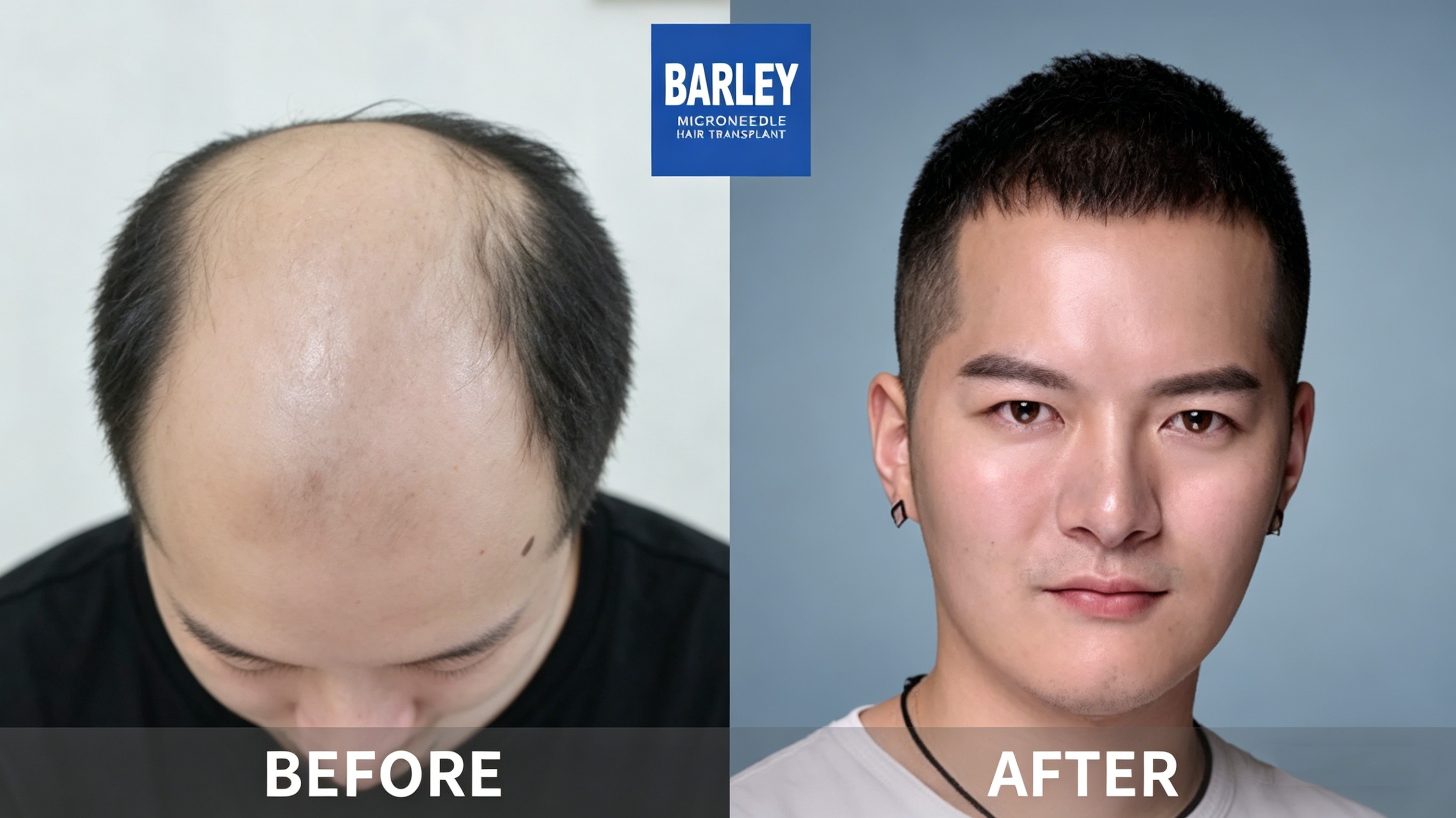
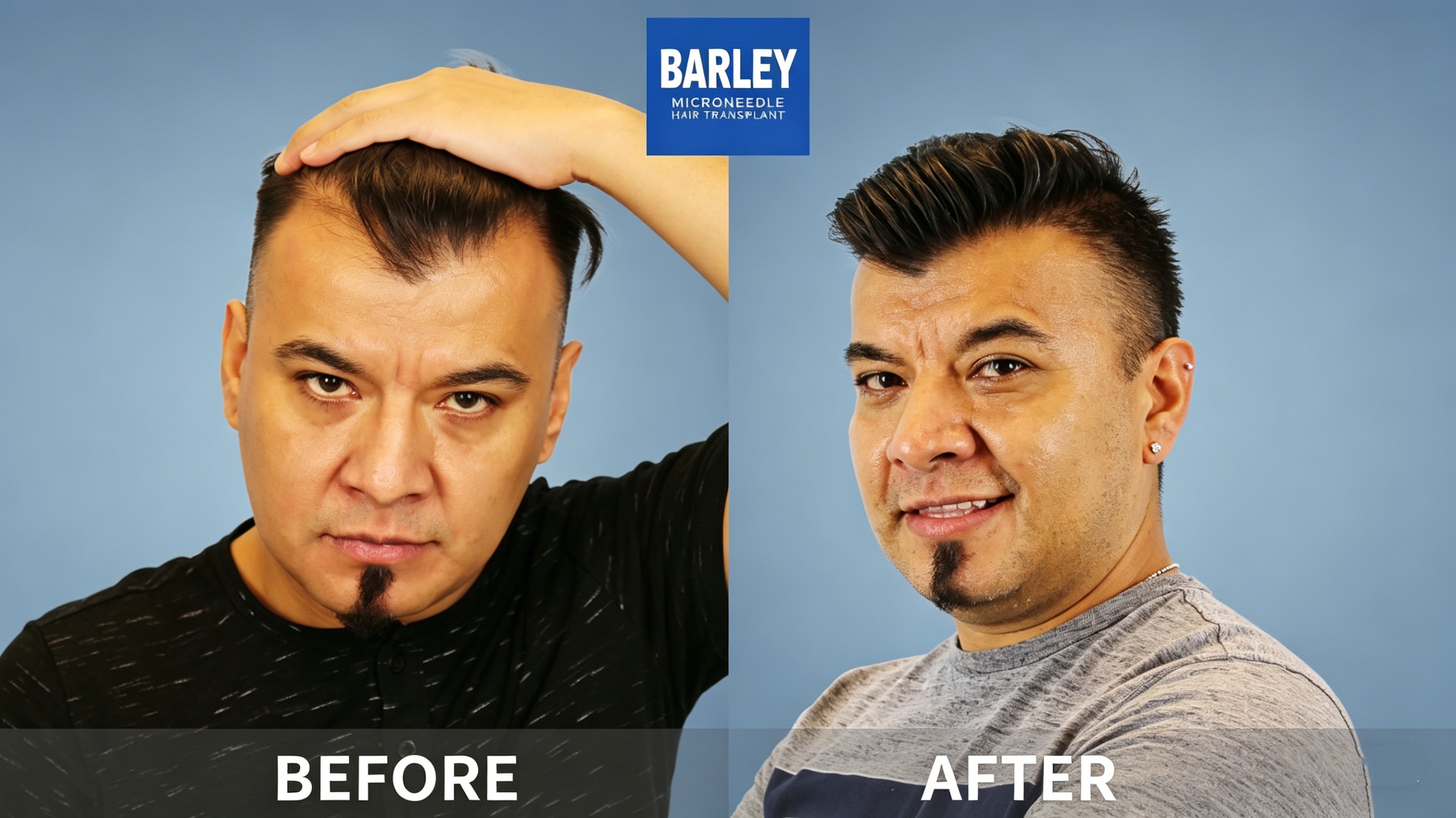
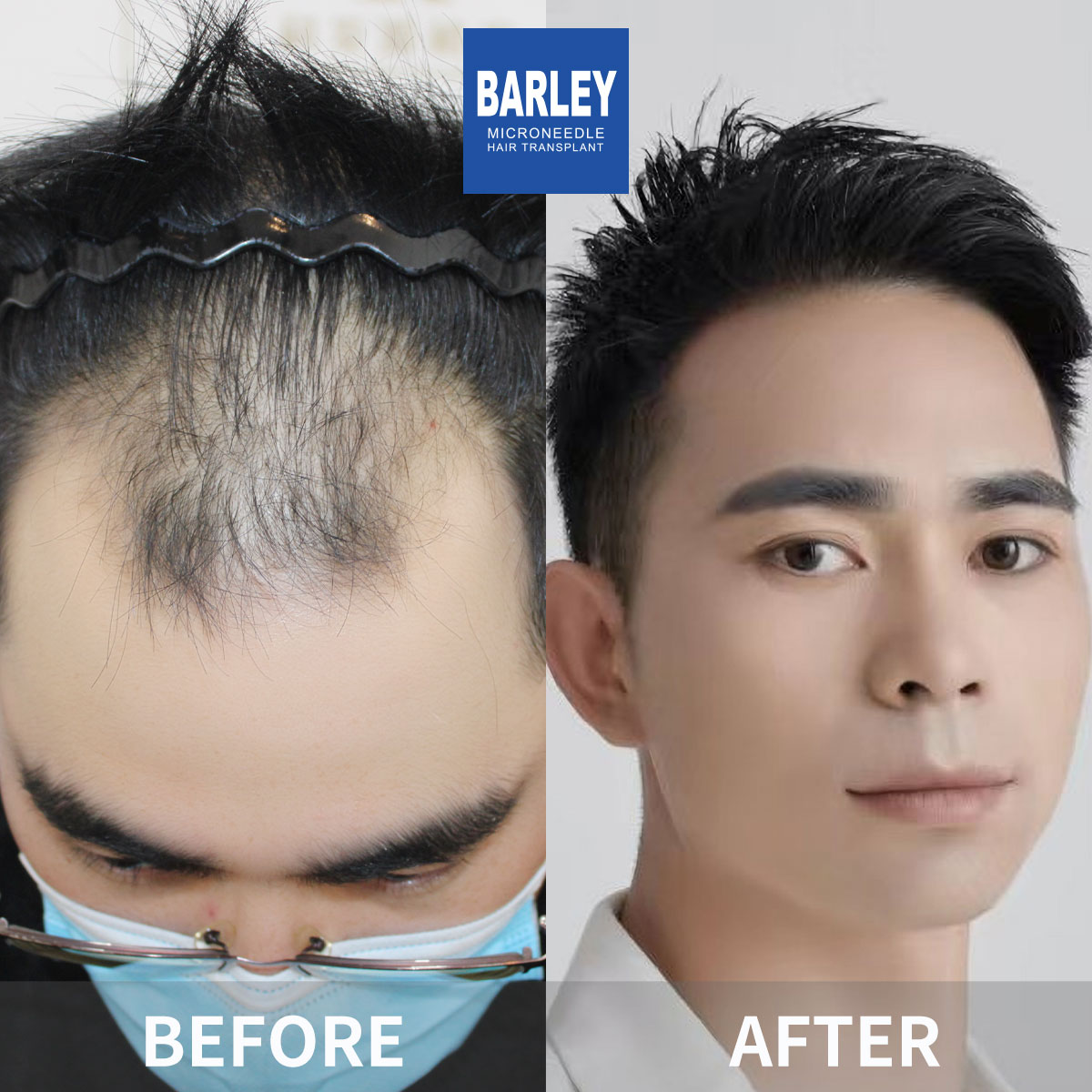
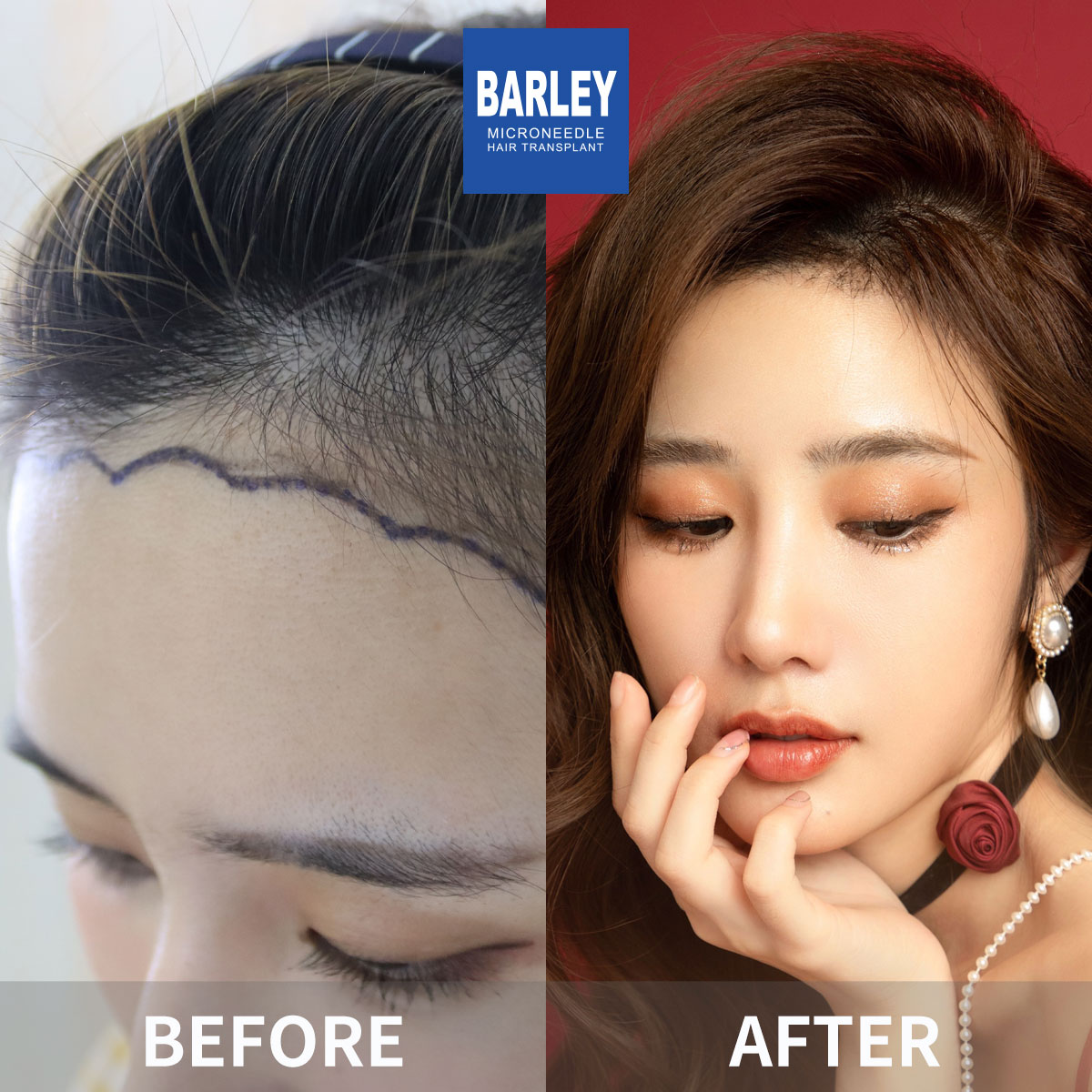
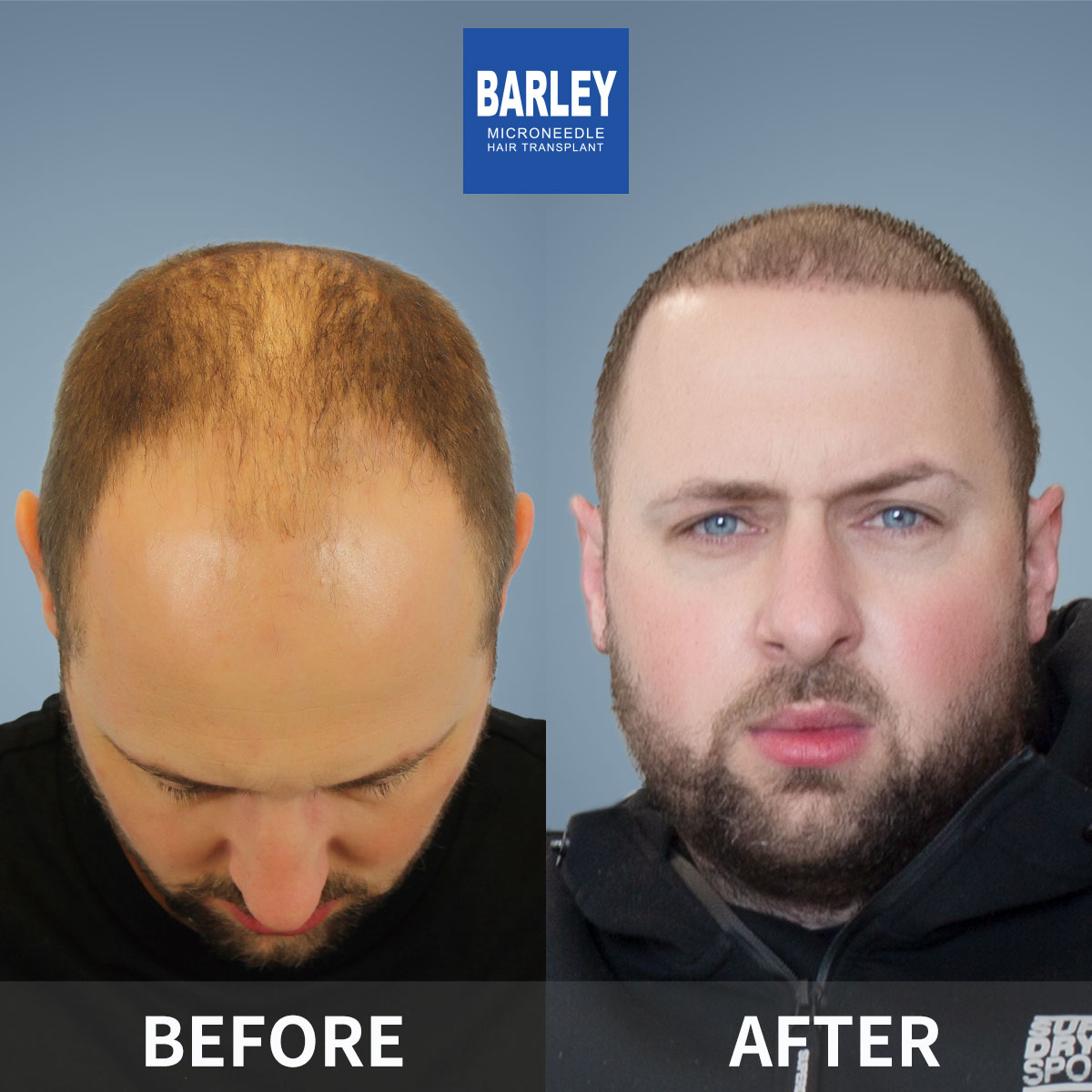
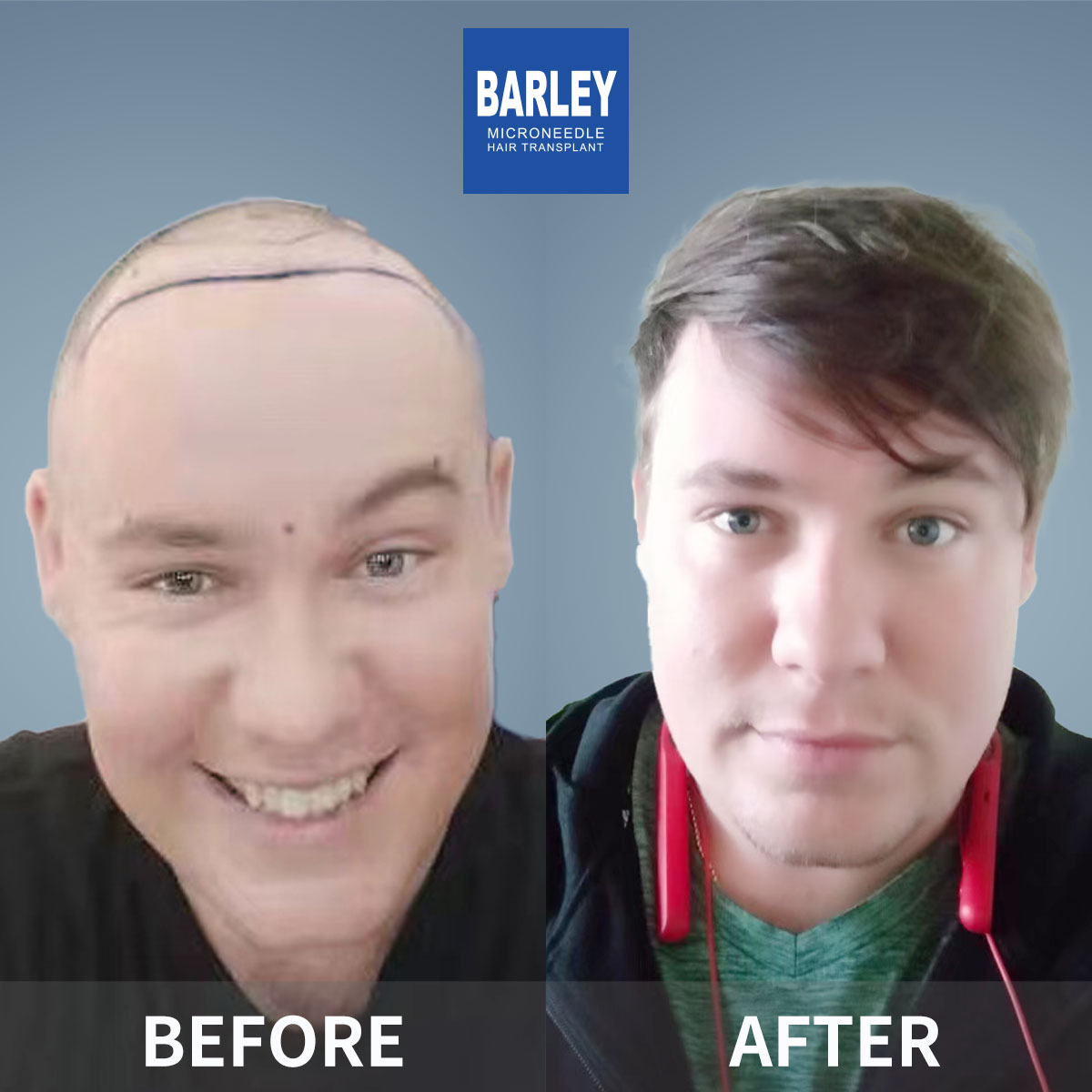
Authentic Patient Transformations

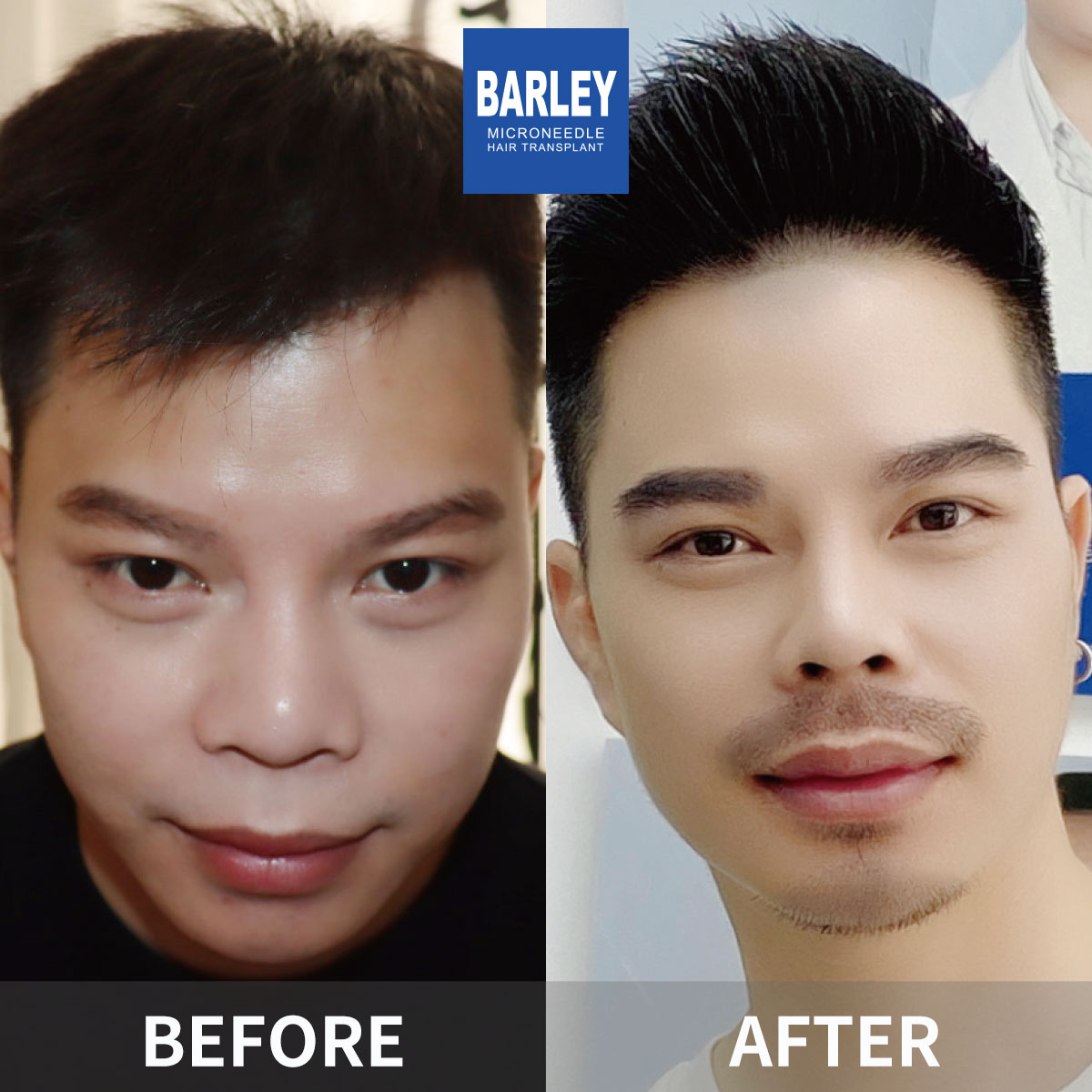
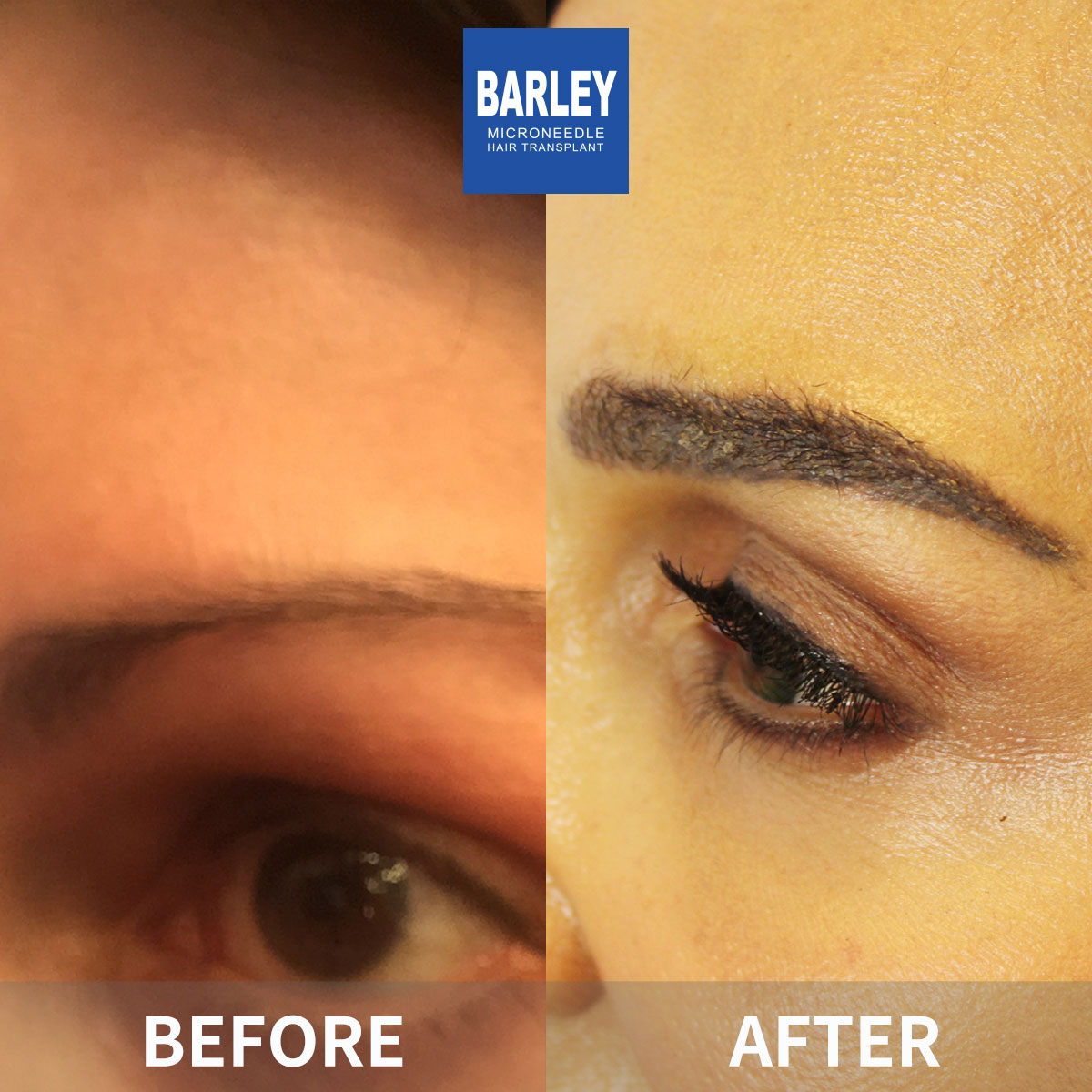
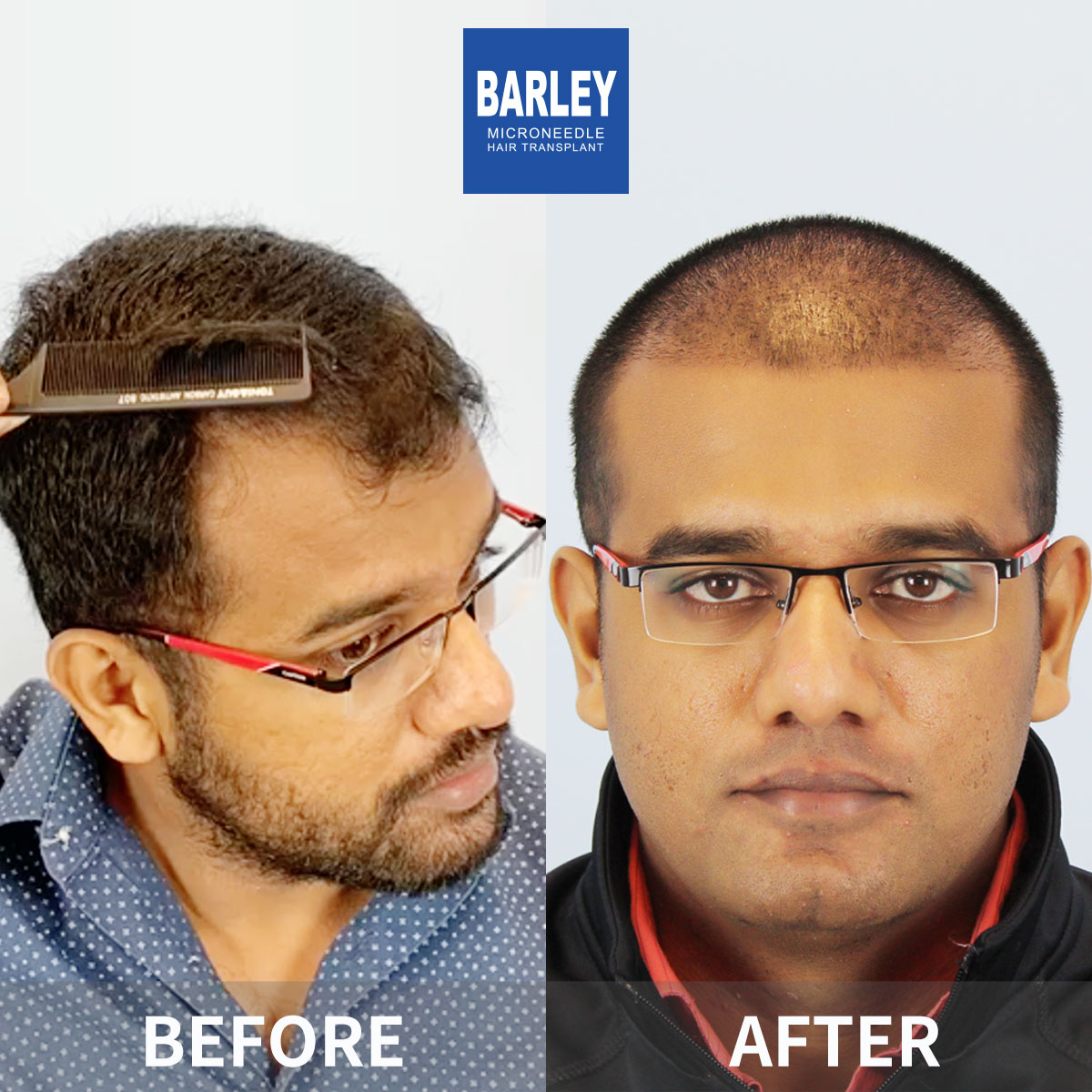
Witness the remarkable changes our finasteride patients have accomplished
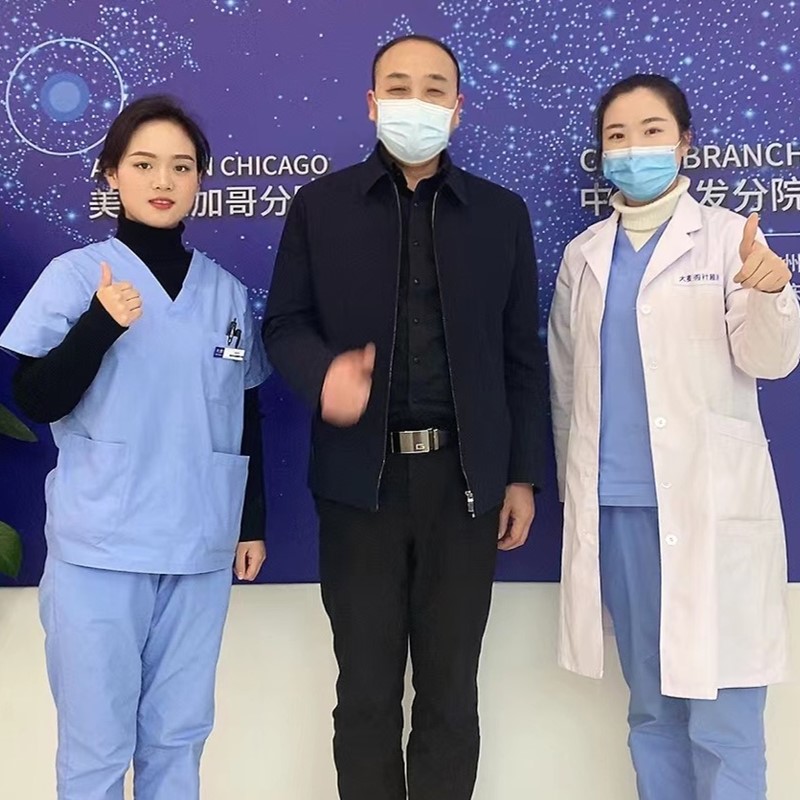
Delighted Patients

Genuine moments shared with our gratified patients

Stopped Loss

Shedding Halted

Finasteride delivered expected outcomes
Happy Patient

Content Patient

Hair loss progression successfully arrested

Better Hair

Improved Hair Quality

Noticeably thicker and more resilient

Results Show

Tangible Outcomes

Observing genuine, quantifiable advancement
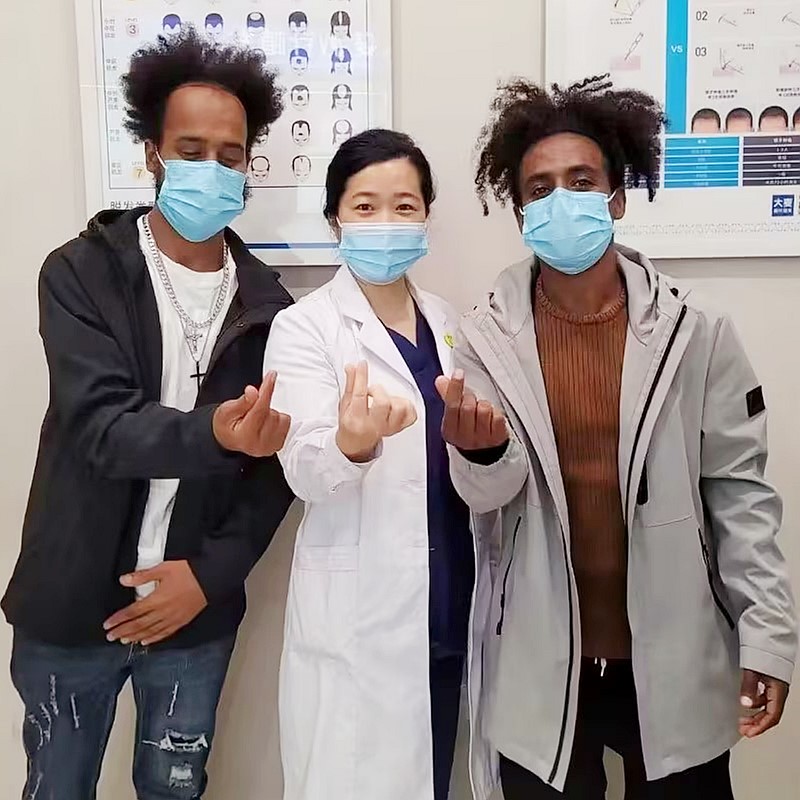
Treatment Success

Therapeutic Achievement

Extremely pleased with final results

Confidence Up

Self-Assurance Renewed

Experiencing a genuinely positive shift

Hair Saved

Hair Successfully Retained

Density effectively preserved over time

Transformation Success

Remarkable Transformation

Significant visible enhancement achieved

Patient Experiences

Candid reflections from our international clientele

"I spent months reading about finasteride online before finally pulling the trigger. What convinced me was the one-on-one video consultation where the doctor walked me through my bloodwork and explained exactly what to expect. Four months in, the shower drain is barely noticeable compared to before. I only wish I had started sooner."

MB

Marcus Brennan

Australia

"My biggest worry was the side effects — honestly, that kept me up at night. The Barley team didn't brush it off. They gave me a detailed breakdown of the actual clinical percentages, set up a check-in at the six-week mark, and told me exactly what to watch for. Zero issues so far at nine months, and my crown looks visibly denser."

JK

Jonas Kowalski

Poland

"Straight to the point — I was losing hair fast in my late twenties and felt like I was running out of time. The doctor put me on finasteride right away and told me to be patient. It took about five months before I saw any real change, but now at fourteen months the difference in photos is night and day. The temples are filling back in."

DT

David Torres

Mexico

"I had tried finasteride through a generic online service back home but stopped because nobody was following up with me. Switching to Barley changed everything — the structured monitoring, the scheduled trichoscopy scans every three months, and having a real doctor to call with questions made me stick with it. One year on and I have kept every hair I had plus visible regrowth on the crown."

SA

Samir Achour

Tunisia

"Being a woman, I had a lot of questions about whether finasteride was even relevant to my situation. Turns out, for my specific type of thinning, the doctor recommended a very low dose off-label combined with other treatments. The careful monitoring gave me confidence. Eight months later my part line has narrowed noticeably."

LN

Lena Nystrom

Norway

"I was scheduled for a transplant but the surgeon suggested starting finasteride six months beforehand to stabilize things first. Best decision I ever made — by the time I went in for surgery, my loss had slowed dramatically, which meant fewer grafts needed and a better overall result. The medication is now part of my long-term routine."

RK

Rajesh Kumar

India

Our Medical Environment

Discover our contemporary and welcoming clinical spaces

Hospital 1

Contemporary Facility

Our advanced medical center

Hospital 2

Relaxing Reception Lounge

Unwind in our upscale patient waiting area

Hospital 3

Procedure Room

Fully sterilized and comprehensively equipped

Hospital 4

Consultation Suite

Confidential and expert atmosphere

Hospital 5

Post-Procedure Lounge

Comfortable space for recovery after treatment

Hospital 6

Front Desk

Friendly and inviting entry point

Common Questions About Finasteride

Expert responses to the questions patients most frequently raise before beginning finasteride therapy

What happens if I miss a dose of finasteride?
Missing an occasional dose won't significantly impact your results. If you forget to take your pill one day, just take it as soon as you remember, or skip it and resume your normal schedule the next day. Don't double up to make up for a missed dose. However, consistently skipping doses or stopping the medication entirely will cause DHT levels to rise again, and you'll gradually lose the hair you've preserved or regrown. Consistency matters more than perfection.
Can I take finasteride with other medications?
Finasteride has minimal drug interactions, but you should always inform your doctor about everything you're taking. It's generally safe to combine with most common medications, including blood pressure drugs, antibiotics, and over-the-counter supplements. However, if you're taking other hormonal medications or treatments, your physician will want to review your specific situation to ensure there are no conflicts.
How long do I need to stay on finasteride?
Finasteride is a long-term commitment. The medication only works while you're actively taking it. Most men stay on it indefinitely to maintain their results. If you stop, DHT levels return to baseline within two weeks, and any hair you've preserved or regrown will gradually be lost over the next six to twelve months. Think of it like brushing your teeth — you keep doing it to maintain the benefit. Some patients explore hair transplant surgery as a more permanent solution, but even then, continuing finasteride helps protect the remaining native hair.
Will finasteride affect my testosterone levels?
Finasteride reduces DHT (dihydrotestosterone) by about 60-70%, but it doesn't significantly lower testosterone. In fact, some men experience a slight increase in testosterone since less of it is being converted to DHT. This doesn't cause any noticeable changes in muscle mass, energy levels, or overall masculinity. The medication is specifically targeting the hormone pathway that causes hair loss, not your overall hormonal balance.
Can women who are pregnant be around someone taking finasteride?
Yes, it's perfectly safe. The warning about pregnancy applies only to women who directly handle crushed or broken tablets. Simply being in close contact with someone who takes finasteride poses no risk. The medication is taken orally and doesn't transfer through skin contact, breath, or any other casual exposure. If you're concerned, just keep the medication in a secure location away from children or pregnant partners, as you would with any prescription drug.
Does finasteride work better if I take it at a specific time of day?
There's no optimal time — finasteride works the same whether you take it in the morning, evening, or with food. The key is consistency. Pick a time that fits naturally into your daily routine so you're less likely to forget. Many patients take it with breakfast or right before bed. The medication has a half-life of about 5-6 hours in the bloodstream, but its effects on DHT suppression last much longer, so timing flexibility is built in.
What if I don't see any results after six months?
First, don't panic. Hair growth cycles are slow, and visible changes take time. Most men start seeing reduced shedding within 3-4 months, with noticeable thickening appearing around 6-8 months. Full results typically take 12-18 months. If you're at the six-month mark and see absolutely no improvement — not even reduced shedding — consult your doctor. They may want to verify your diagnosis, check for other underlying conditions, or consider adding complementary treatments like minoxidil or PRP therapy to boost results.
Can I donate blood while taking finasteride?
Most blood donation centers ask that you wait at least one month after your last dose before donating. This is a precautionary measure to ensure the medication doesn't transfer to a pregnant recipient through the blood supply. If you're a regular donor, just inform the screening staff about your medication use, and they'll guide you on the appropriate waiting period. Once you've stopped finasteride for the required timeframe, you can resume donating normally.
Does finasteride cause weight gain or changes in metabolism?
Weight gain is not a recognized side effect of finasteride. The medication doesn't affect your metabolism, appetite, or fat storage. If you notice weight changes after starting the medication, it's more likely related to other factors like diet, exercise habits, or aging. Large-scale clinical trials haven't shown any significant correlation between finasteride use and body composition changes. If you're concerned about unexplained weight gain, discuss it with your doctor to rule out other causes.
Can I switch between brand-name Propecia and generic finasteride?
Absolutely. The active ingredient is identical — finasteride 1 mg. Generic versions are bioequivalent to brand-name Propecia, meaning they deliver the same therapeutic effect. The only differences are inactive ingredients (fillers, binders) and price. Many patients switch to generic after their insurance coverage changes or when they want to reduce out-of-pocket costs. Your body won't notice the difference, and neither will your hair.
Should I take a break from finasteride occasionally?
No, there's no benefit to taking breaks. Finasteride works by continuously suppressing DHT production. Stopping and restarting causes hormonal fluctuations that could actually accelerate hair loss. The medication is designed for daily, uninterrupted use over the long term. Some patients worry about building tolerance, but clinical studies spanning over a decade show that finasteride maintains its effectiveness without dose escalation. Stay consistent for best results.
Can finasteride reverse hair loss that's been present for many years?
Finasteride is most effective at preventing further loss and regrowing hair in areas where thinning is recent — typically within the past 5 years. Hair follicles that have been completely dormant for many years (resulting in smooth, shiny scalp skin) are unlikely to respond to medication alone. In these cases, the follicles have undergone fibrosis and can no longer produce visible hair. For long-standing bald areas, hair transplant surgery is the most effective option. However, finasteride can still help preserve your remaining hair and protect transplanted grafts.
Does finasteride affect hair growth on other parts of my body?
Finasteride primarily affects scalp hair because the hair follicles there are most sensitive to DHT. You might notice slightly slower growth of body hair (chest, arms, legs), but this is usually minimal and not bothersome. Interestingly, finasteride doesn't affect beard growth because facial hair follicles actually benefit from DHT. If you're concerned about body hair changes, discuss it with your doctor, but most men find the effects negligible.
Can I get a prescription for finasteride through telemedicine?
Yes, many healthcare providers offer telemedicine consultations for hair loss treatment. At Barley Hospital, we provide video consultations where our physicians can evaluate your hair loss pattern, review your medical history, and determine if finasteride is appropriate for you. If prescribed, the medication can be shipped directly to your home. This is especially convenient for international patients or those with busy schedules. However, in-person visits may be recommended for baseline bloodwork or if you develop any concerns during treatment.
What should I do if I experience side effects?
First, don't panic. Most side effects are mild and temporary, often resolving within a few weeks as your body adjusts. If you experience sexual side effects, mood changes, or any other concerning symptoms, contact your doctor promptly. They may recommend adjusting your dose, switching to a different formulation, or temporarily stopping the medication to see if symptoms resolve. In rare cases, your physician might suggest alternative treatments. Never ignore persistent side effects, but also don't assume they'll be permanent — most men tolerate finasteride extremely well.

Prepared to Begin?

Reach out for a no-cost consultation

WeChat

15810155700

WhatsApp

+86 13730143529

Email

hairtransplant@qq.com

WeChat QR Code