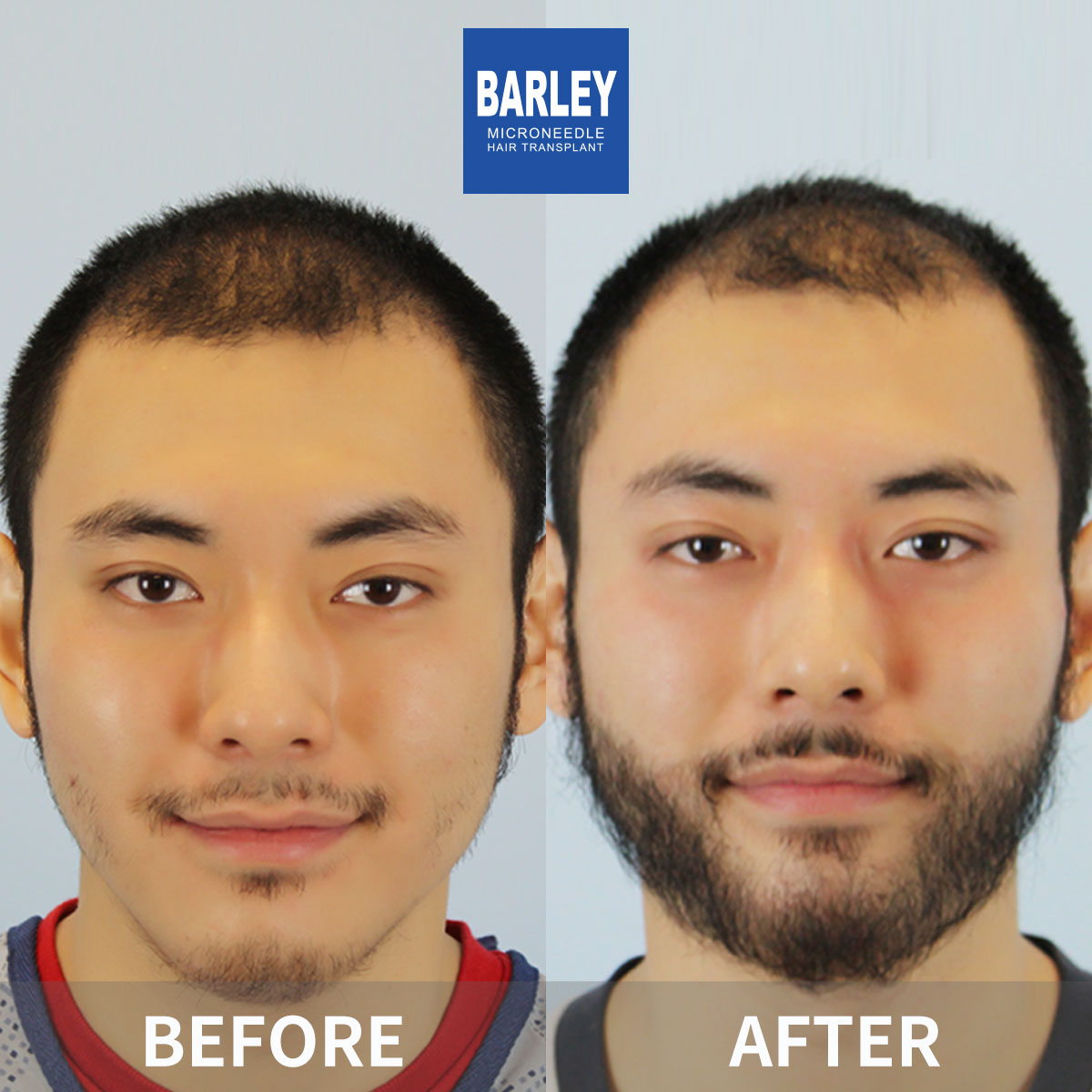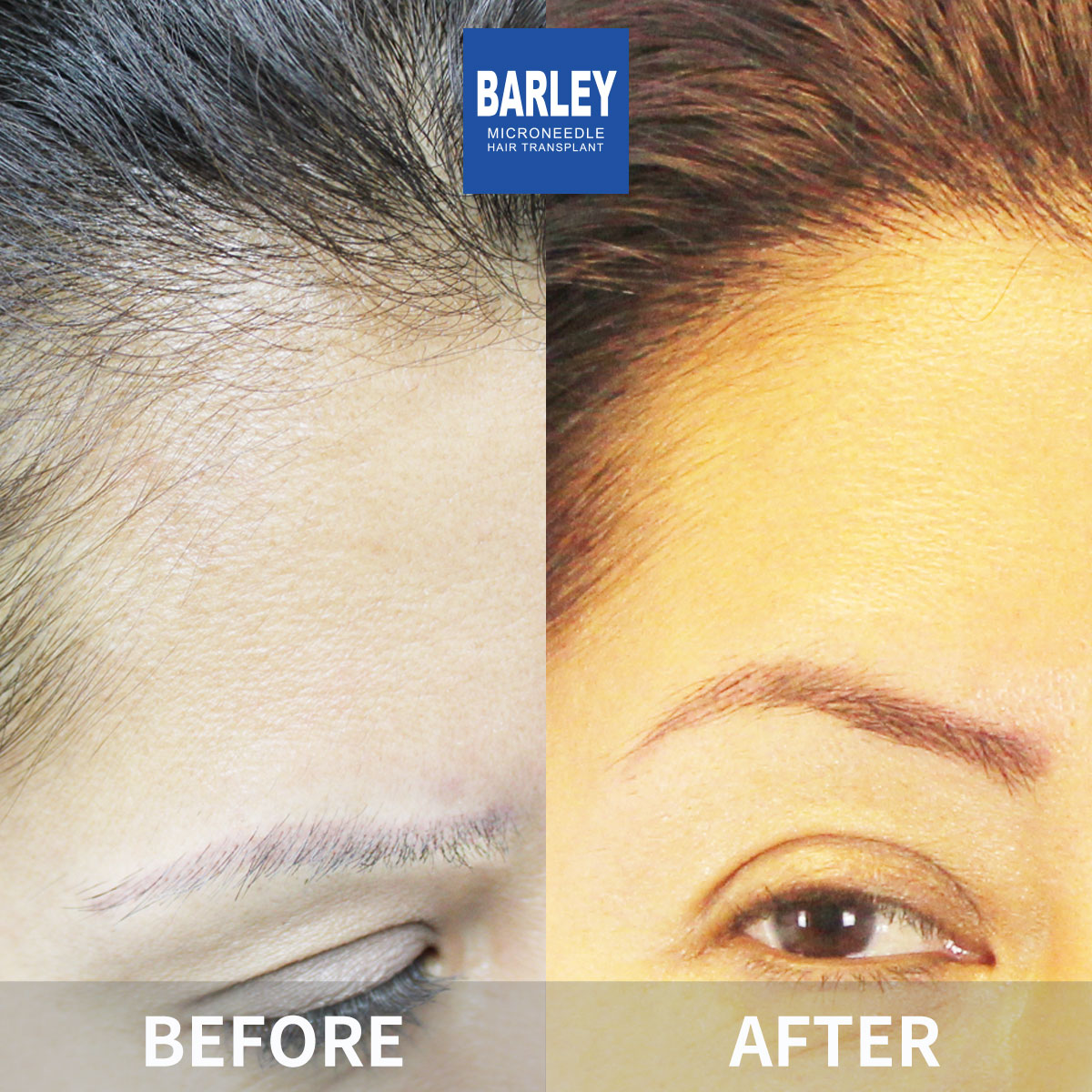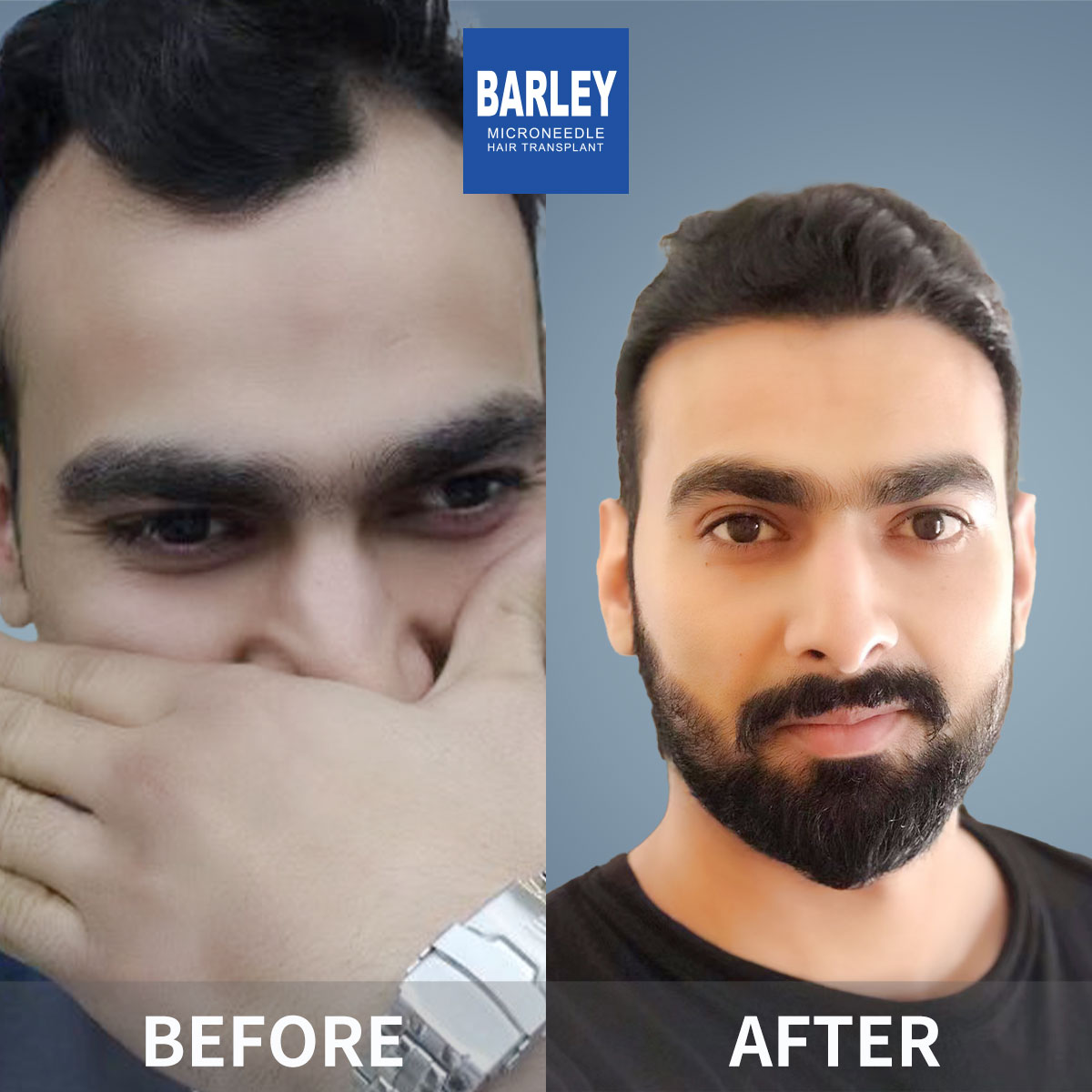
Hero 1

Take Charge of Your Hair Loss Journey

A straightforward, science-backed resource explaining the root causes of thinning hair and the most effective solutions available today

Request Your Free Consultation
Hero 2

Identify Your Stage. Shape Your Outcome.

Learn to read the Norwood scale, see how DHT impacts your follicles, and find the treatment approach that matches your specific needs

Request Your Free Consultation
Hero 3

Start Sooner, Save More

Acting quickly protects more follicles. Discover pharmaceutical options, surgical techniques, and combined approaches before damage becomes permanent

Request Your Free Consultation

The Biology of Male Pattern Hair Loss

How Androgenetic Alopecia Develops

Androgenetic alopecia, the medical term for male pattern baldness, represents the most common form of hair thinning among men. By the time they reach fifty, approximately fifty percent of men notice significant hair reduction, a figure that climbs to nearly eighty percent by age seventy. The root cause lies in a combination of hereditary factors and hormonal activity—particularly your follicles' reaction to dihydrotestosterone (DHT), which is derived from testosterone. When genetic predisposition makes your follicles sensitive to DHT, the hormone attaches to receptors within these vulnerable units, initiating a process known as miniaturization. Throughout each growth cycle, the affected hairs become increasingly fine, shortened, and brittle until the follicle stops generating visible strands altogether. This deterioration usually starts around the temples and crown area, progressing in a pattern that the Norwood-Hamilton scale divides into seven separate phases.

Understanding the Norwood-Hamilton Classification

Medical professionals use the Norwood-Hamilton scale as the primary framework for evaluating how male pattern baldness progresses. This system identifies seven distinct phases, spanning from minimal hairline changes to extensive baldness across the upper scalp:

  • Stage 1: Minimal hair loss present. The hairline stays relatively stable with negligible temple recession.
  • Stage 2: Slight recession appears at the temples, creating a subtle M-pattern or widow's peak. This typically marks the first observable change.
  • Stage 3: Temple recession becomes more pronounced and deeper. Hair thinning is now apparent. Many men also start noticing reduction at the crown (vertex) during this phase.
  • Stage 4: The temples keep retreating while the crown area continues to expand. A strip of hair still connects the two regions, though it's visibly diminishing.
  • Stage 5: The connecting strip of hair becomes considerably narrower. Both frontal and crown areas show significant and obvious hair loss.
  • Stage 6: The hair bridge between frontal and crown regions has vanished completely. Baldness now encompasses the entire upper scalp, with hair remaining only on the sides and posterior.
  • Stage 7: The most advanced phase. Only a horseshoe-shaped band of hair remains around the sides and back. The top of the scalp is entirely bald, and any remaining hair tends to be noticeably thinner.

Solutions Tailored to Every Phase

Initial Phase (Norwood 1-3)

Non-invasive approaches work exceptionally well during the early phases. Pharmaceutical options like oral Finasteride and topical Minoxidil can arrest progression and often encourage regrowth in areas showing thinning. PRP therapy offers supplementary follicular activation, while low-level laser therapy boosts overall effectiveness. Timing proves essential—the greater the amount of native hair you maintain at this point, the more robust your long-term outcomes will become.

Intermediate Phase (Norwood 3-4)

Mid-level progression generally calls for a comprehensive strategy. Hair transplantation becomes a practical choice for rebuilding density in areas that have receded, especially along the hairline and temples. FUE methods produce naturally appealing results by accurately targeting bald spots. Surgical intervention should be paired with ongoing medication to protect remaining hair and stop additional loss surrounding the transplanted grafts.

Later Phase (Norwood 5-7)

Widespread hair loss calls for careful surgical strategy. Individuals might require between 3,000-5,000+ grafts to attain adequate coverage. If the scalp donor area lacks sufficient supply, body hair transplantation provides another viable resource. A measured hairline approach that emphasizes facial framing while allowing some crown reduction typically produces the most authentic look. Outcomes can be life-changing, though expectations should stay grounded regarding density and coverage considering the scope of hair loss.

The Right Time to Act

The single most important recommendation for any man worried about thinning hair is to respond quickly. Recently miniaturized follicles can frequently be restored through medical intervention, but follicles that have stayed inactive for extended periods may permanently lose their ability to regenerate. If you're noticing more hair accumulating in the shower drain, recession at the temples, or thinning at the crown, these signals suggest miniaturization is actively occurring. A thorough assessment with a qualified hair restoration expert delivers clear diagnosis and direction. At Barley Hair Transplant, our specialists utilize digital trichoscopy to inspect your scalp under powerful magnification, measure the extent of miniaturization, and evaluate follicular density. We then provide an impartial evaluation of your Norwood stage and create a personalized treatment strategy. Whether you're spotting early thinning or dealing with substantial hair loss, proven solutions exist—and the best moment to start is right now.

Knowledge Center

Your Complete Resource on Men's Hair Loss

Gain clarity on what's occurring and identify the ideal approach for your needs
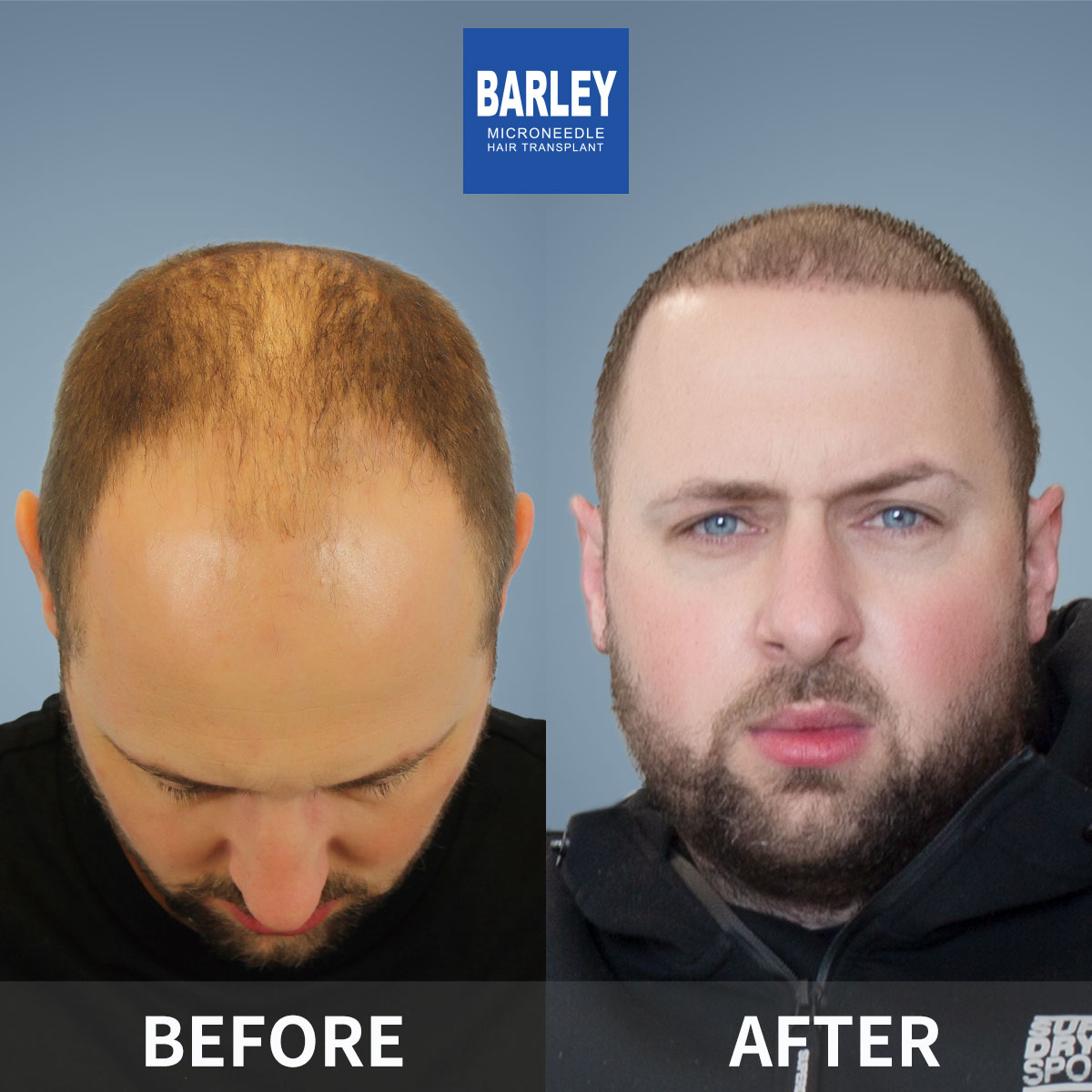
Male Hair Loss Guide

You Are Not the Only One

About half of all men encounter hair thinning by the time they reach fifty, with numbers reaching up to 80% by seventy. The good news? By taking swift action and following a thoughtfully crafted treatment strategy, you can decelerate, halt, and frequently turn back the clock. This resource guides you through precisely what is taking place on your scalp, the reasons behind it, and—above all—the concrete actions you can begin today.

  • Pinpoint your particular category of hair loss
  • Grasp the underlying triggers
  • Explore clinically validated treatment paths
  • Recognize the ideal moment to intervene
  • Select the approach that suits you best

Primary Categories of Hair Loss in Men

Identify which form of hair thinning affects you

Androgenetic Alopecia

  • Often referred to as Male Pattern Baldness
  • Represents 95% of all hair loss cases
  • Combines temple recession with crown reduction
  • Stems from hereditary and hormonal factors
  • Progressively intensifies over the years

Alopecia Areata

  • Characterized by circular bald spots
  • Results from an autoimmune reaction
  • Emerges abruptly and without warning
  • Can develop anywhere on the body
  • Hair has potential to regrow spontaneously

Telogen Effluvium

  • Diffuse, even hair shedding throughout
  • Initiated by physical or psychological strain
  • Generally clears up without intervention
  • Visible reduction across the entire scalp
  • Spread-out pattern instead of concentrated areas

Norwood-Hamilton Staging System

Evaluate the extent of your hair thinning

Stage 1-2

  • Mild temple area recession
  • Early indicators appear
  • Perfect opportunity for preventive measures
  • Pharmaceutical treatment works well
  • Best moment to start intervention

Stage 3-4

  • Clear recession visible
  • Crown area shows noticeable thinning
  • Combined treatment strategy needed
  • Medication alongside transplant evaluation
  • Very responsive to treatment

Stage 5-7

  • Substantial hair reduction
  • Large areas of scalp exposed
  • Surgical restoration becomes primary choice
  • Body hair can supplement donor area supply
  • Several sessions typically required

Root Causes of Hair Loss in Men

Investigate the fundamental reasons behind thinning hair

Heredity & Genetic Factors

  • Family background serves as the leading contributor
  • May be passed down from either the mother or father
  • Shapes both the pattern and speed of loss
  • Genetic makeup determines DHT sensitivity levels
  • Provides insight into expected progression

Hormonal Activity & DHT

  • DHT serves as the main catalyst for hair loss
  • Initiates the miniaturization of follicles
  • Strands become increasingly thin over time
  • Follicles ultimately stop generating hair
  • DHT inhibitors can break this destructive cycle

Daily Habits & Lifestyle

  • Stress speeds up the shedding process
  • Poor diet weakens follicle vitality
  • Insufficient rest hinders recovery cycles
  • Tobacco use restricts blood flow
  • Excessive drinking can worsen thinning

Available Treatment Solutions

Proven approaches customized for every phase of thinning

Early Phase Management

  • Start with topical Minoxidil application
  • Add oral Finasteride (DHT blocker)
  • Consider LLLT therapy options
  • PRP therapy as supplementary treatment
  • Dietary supplements and nutritional support

Intermediate Phase Tactics

  • Continue pharmaceutical therapy
  • Assess hair transplant suitability
  • FUE method for authentic appearance
  • Combine drugs with surgical procedures
  • Create full-spectrum restoration strategy

Advanced Phase Methods

  • Surgical restoration as core treatment
  • Strategic donor area allocation
  • Body hair integration if needed
  • Staged procedures across multiple visits
  • Merge operative and pharmaceutical care

Your Action Plan

Take these steps to regain control of your hair health

1

Assess Your Current Status

Apply the Norwood scale to determine your present condition

2

Schedule an Appointment

Arrange a comprehensive evaluation with a hair restoration expert

3

Start Treatment Immediately

Launch a customized medical protocol designed for your situation

4

Investigate Surgical Possibilities

Consult about whether transplantation aligns with your goals

5

Monitor Your Development

Keep scheduled appointments and adjust your approach as necessary

6

Safeguard Your Progress

Maintain your treatment routine to preserve improvements over time

Advantages of Barley's Hair Restoration Program

How our comprehensive methodology achieves superior, lasting results for men

Personalized Strategy

We reject one-size-fits-all solutions. Your Norwood stage, age, individual objectives, and donor area capacity all factor into creating a bespoke approach that might integrate preventive care, pharmaceutical intervention, and surgical restoration.

Stage-Appropriate Interventions

Patients in early phases concentrate on preservation. Those in advanced phases gain from strategic grafting. Every recommendation corresponds precisely to your current position, ensuring nothing is excessive or neglected.

Designed for Enduring Success

Our vision extends past the immediate procedure. Programs include maintenance schedules, prudent donor area stewardship, and forward-thinking backup strategies to sustain your outcomes for many years ahead.

Reasons Patients Select Barley

Proven excellence demonstrated through results

Almost 20 Years of Experience

Pioneering microneedle transplant techniques since 2006

More Than 30 Directly Managed Locations

Situated in China's major metropolitan areas, upholding consistent quality benchmarks

Over 10 Proprietary Innovations

Breakthrough microneedle and implant pen technologies delivering superior outcomes

Exceeding 100,000 Completed Surgeries

Clients across the globe rely on us for exceptional, naturally appearing results

Proficient English-Speaking Staff

Full English communication available for international clients throughout the process

Patient Safety Is Paramount

State-of-the-art facilities with strict safety measures ensuring your peace of mind

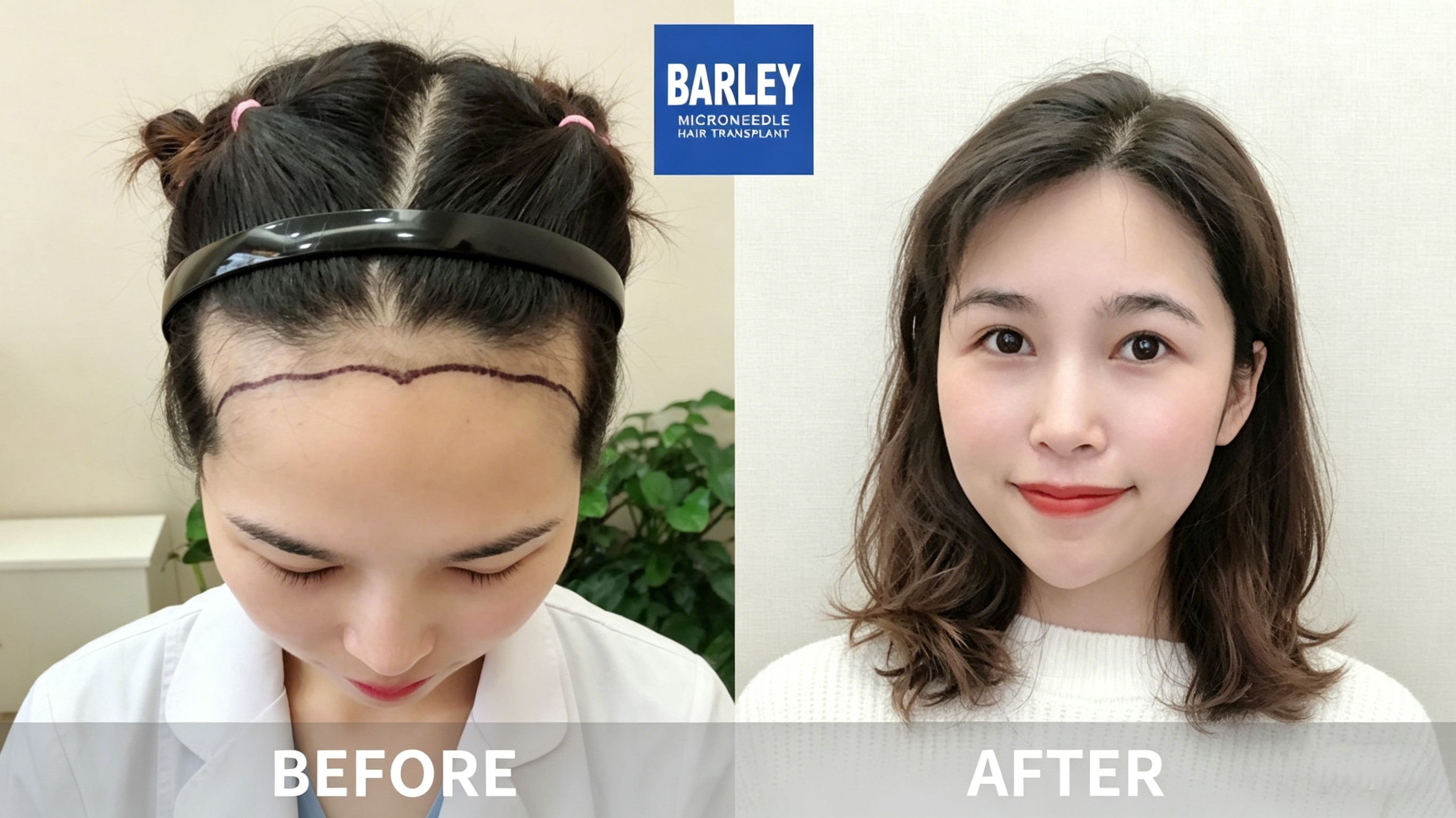
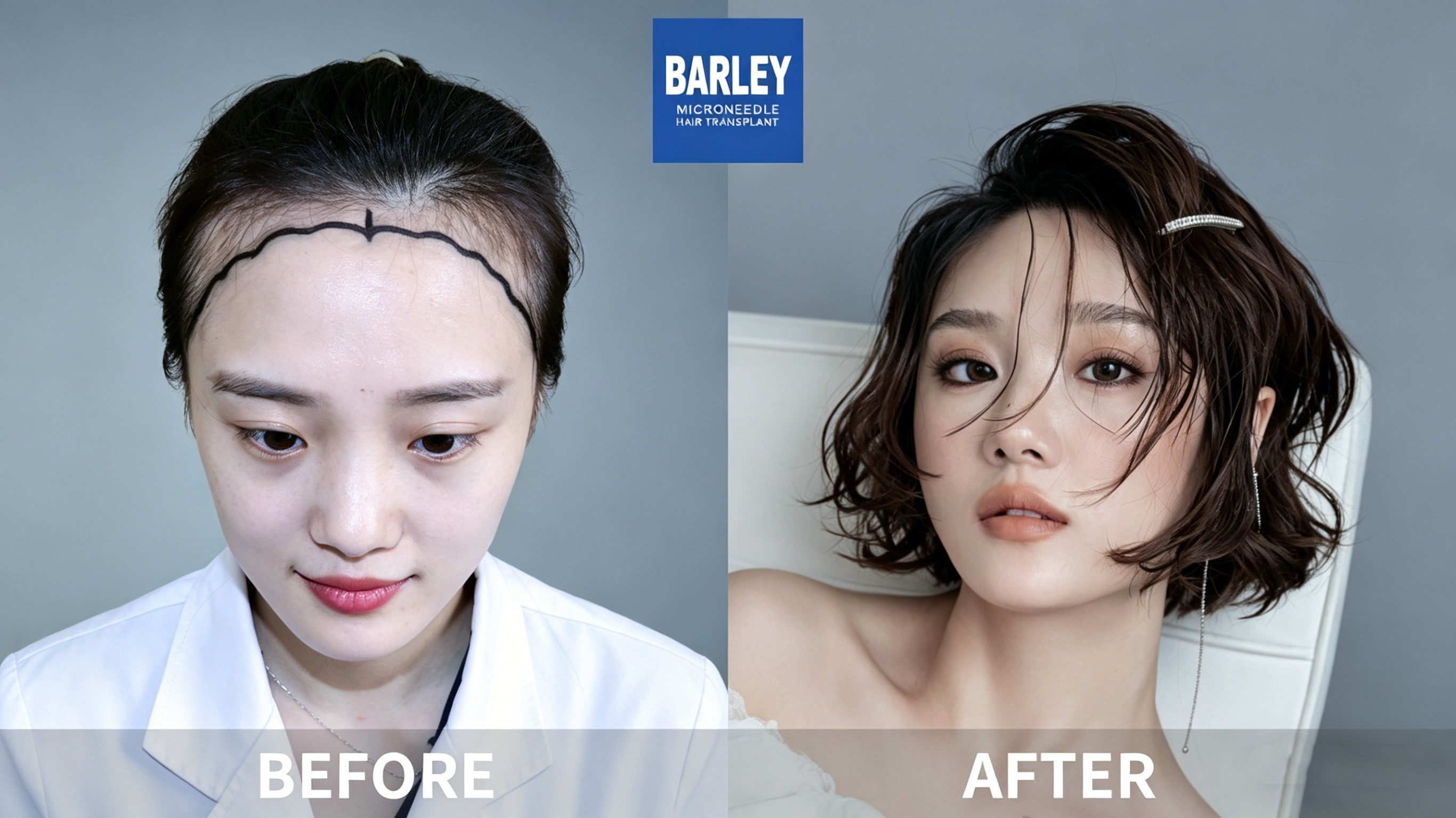
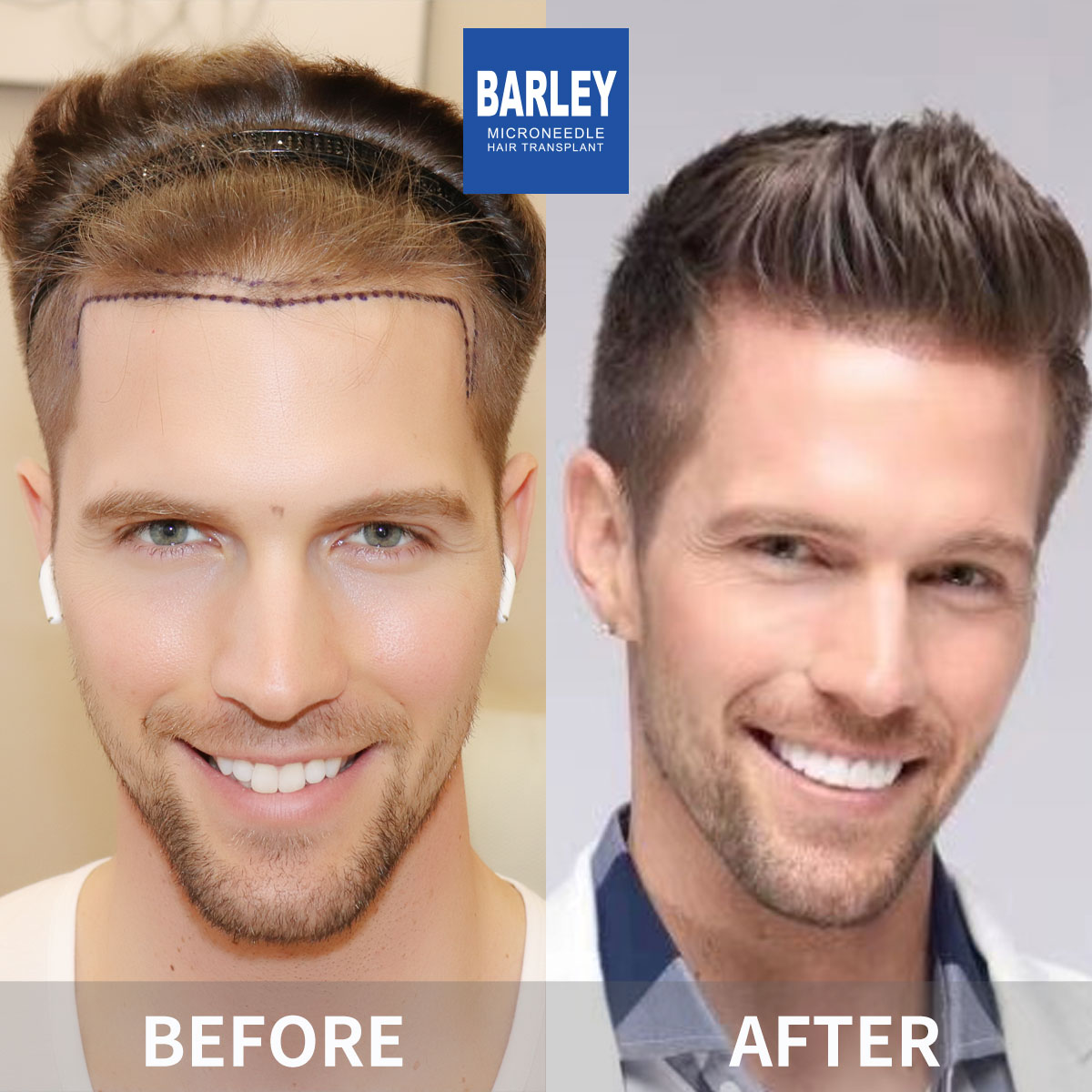
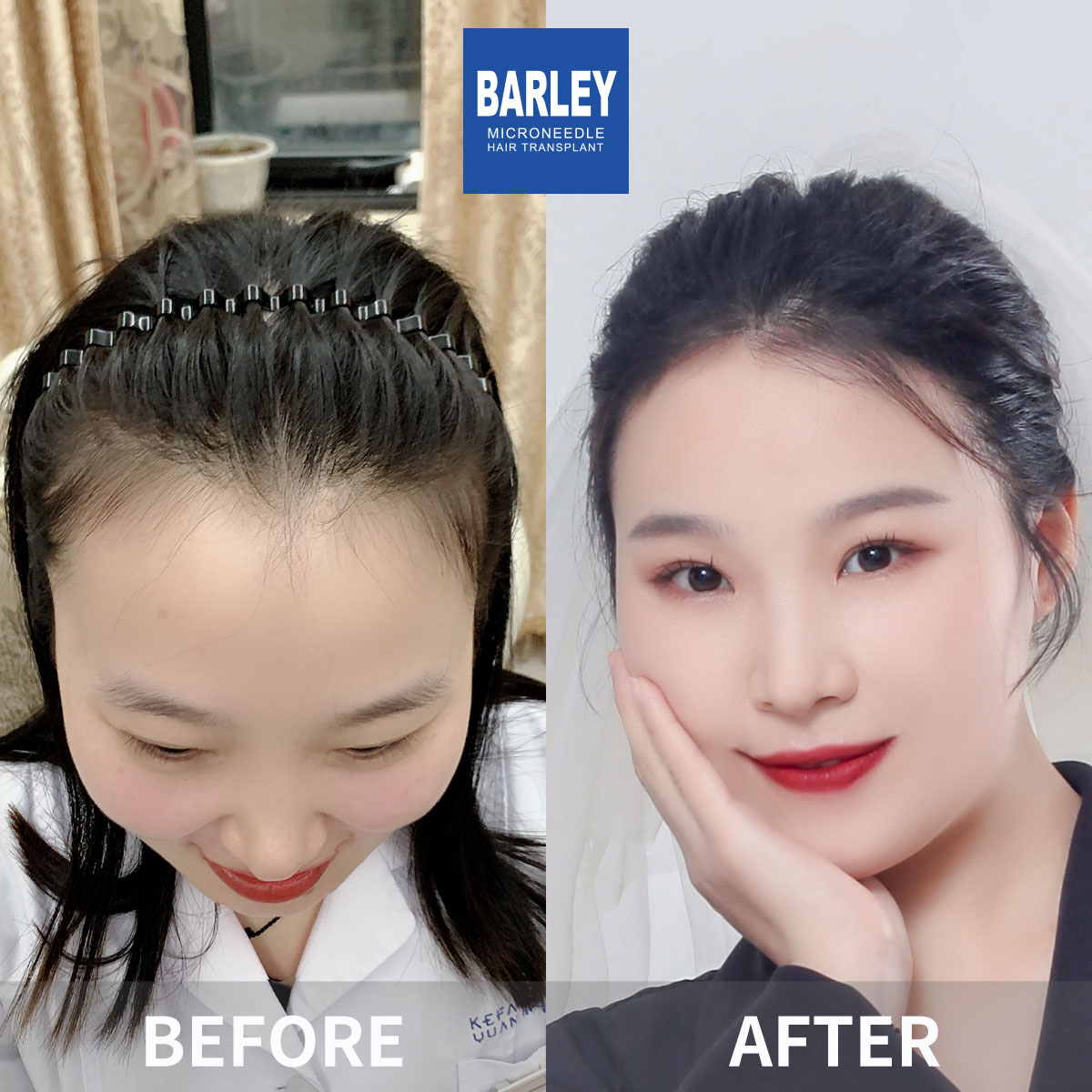
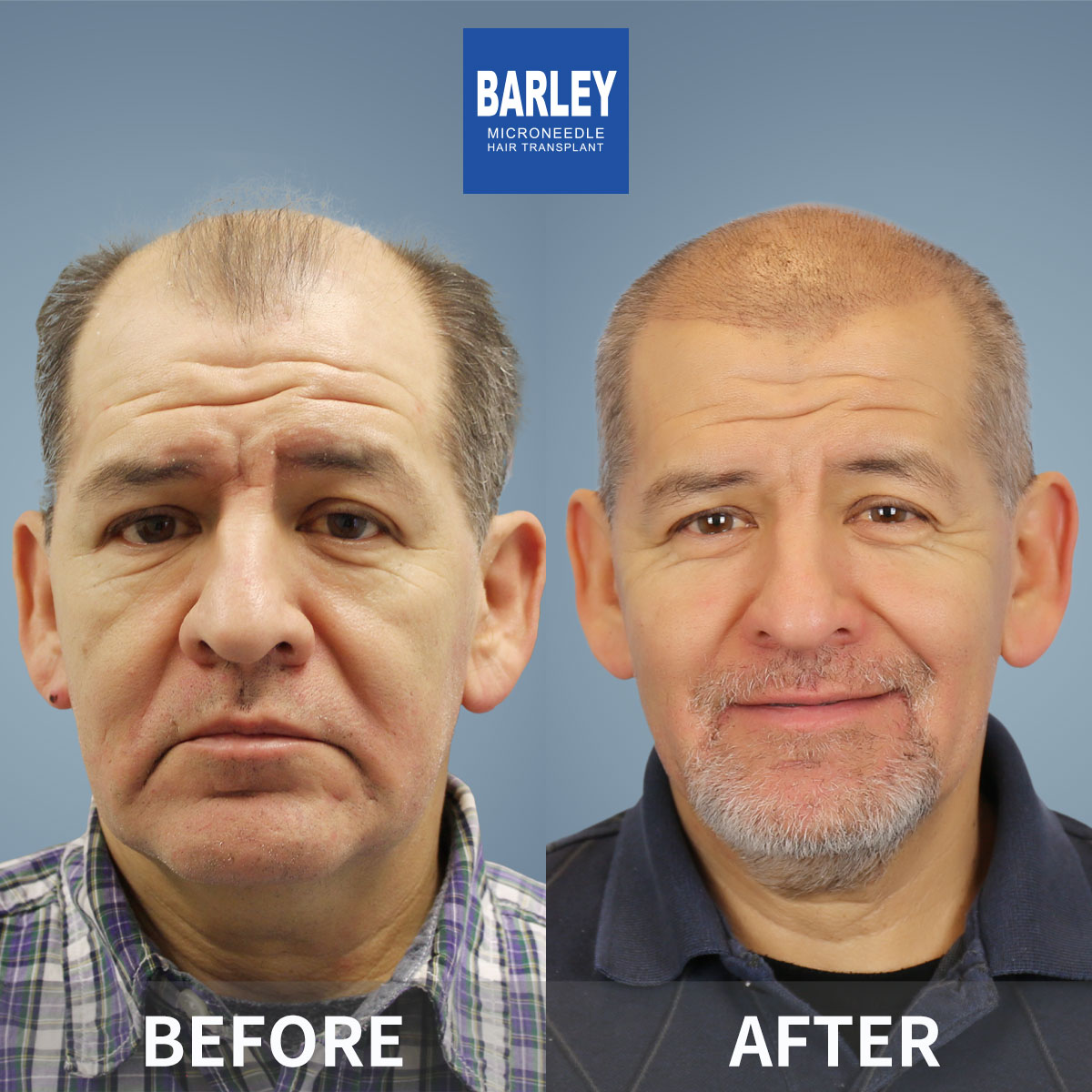
Real Patient Results

View authentic transformations from clients who chose our care
Happy Clients

Smiles from individuals who selected Barley

Great Decision

Delighted with Outcome

The resource pointed me in the right direction

Information Helped

Made an Educated Decision

Knowledge boosted my confidence

Results Speak

Outcomes Speak Volumes

Precisely what I wanted

Confident Now

Self-Esteem Restored

Finally feeling like myself once more

Smart Choice

Finest Decision

The guide motivated me to take action

Proven Results

Worth Every Step

Outcomes that transformed my life

Transformation

Fresh Beginning

Beyond hair restoration—it's renewed confidence

Success

Extremely Pleased

Exceeded all my expectations

Client Experiences

Genuine accounts from clients worldwide

"I finally understood what was happening to my hair after reading this guide. I was at Norwood Stage 3 but didn't realize it. Once I knew my stage, I could choose the right treatment. Eight months on finasteride and minoxidil, and my recession has stopped completely. Knowledge really is power."

RB

Ryan Bennett

United States

"The section on DHT was a revelation. I never understood why my temples were receding and my crown was thinning. This guide explained it all — androgenetic alopecia in plain language. Armed with that knowledge, I went to Barley and started a targeted treatment plan. The results have been incredible."

DM

Dieter Müller

Germany

"My dad and grandfather were both completely bald by 40, so I assumed I was destined for the same fate. This guide showed me that early intervention can change the trajectory. I started treatment at 26, and now at 30 I still have a full head of hair. I wish I had found this information sooner."

PO

Pedro Oliveira

Brazil

"I wasted years on over-the-counter products that didn't work. This guide explained why — most don't address DHT, the real culprit. Switching to clinically proven treatments recommended by Barley gave me better results in four months than three years of experimenting with random supplements and shampoos."

AK

Alexei Kozlov

Russia

"The Norwood scale section helped me realize I was moving from Stage 2 to Stage 3. Catching it early let me start treatment before significant miniaturization occurred. My dermatologist at Barley confirmed my self-assessment and adjusted my plan accordingly. Early detection made all the difference."

TN

Tomás Navarro

Spain

"I appreciated the honest, no-hype approach. The guide didn't promise miracles — it explained the science behind finasteride, minoxidil, PRP, and transplants in straightforward terms. That realistic perspective helped me set proper expectations and choose a combined treatment that actually worked. My confidence is back."

JL

Julien Lefebvre

France

Our Clinic

Explore our modern, inviting medical center

Hospital 1

Modern Medical Center

Our state-of-the-art healthcare facility

Hospital 2

Comfortable Reception Area

Relax in our pleasant waiting space

Hospital 3

Operating Room

Clean and equipped with latest technology

Hospital 4

Confidential Consultation Room

Expert and private discussions

Hospital 5

After-Treatment Recovery Area

Peaceful post-procedure setting

Hospital 6

Reception Desk

Warm and friendly entry point

Frequently Asked Questions About Men's Hair Loss

Responses to the most common inquiries men have regarding hair thinning, underlying causes, and available treatments

Is my hair loss genetic or could it be something else?
About 95% of male hair loss is androgenetic alopecia — a genetic condition driven by your DNA and the hormone DHT. If your father, grandfather, or relatives on your mother's side experienced hair thinning, you likely have the same follicular sensitivity. However, other factors like stress, nutritional deficiencies, thyroid issues, or certain medications can also contribute. A professional evaluation with trichoscopy can determine your specific diagnosis and rule out other causes.
What exactly is DHT and how does it damage hair follicles?
DHT (dihydrotestosterone) is a hormone created when the enzyme 5-alpha-reductase converts testosterone. In men genetically predisposed to hair loss, DHT binds to receptors in scalp follicles and triggers miniaturization. Over multiple growth cycles, affected follicles produce progressively thinner, shorter, and weaker hairs until they stop generating visible strands entirely. This process typically begins at the temples and crown — the areas most vulnerable to DHT.
How can I determine which Norwood stage I'm at?
The Norwood-Hamilton scale is the standard reference. Stage 1 shows minimal hair loss. Stages 2-3 display noticeable temple recession. Stages 4-5 involve crown thinning with a diminishing band of hair between the two areas. Stages 6-7 represent extensive loss with only a horseshoe-shaped band remaining. You can do a preliminary self-assessment by comparing your hairline and crown to Norwood reference images, but a professional trichoscopic examination provides the most accurate diagnosis.
At what age does male hair loss typically begin?
It varies significantly. Some men notice their first signs of recession in their late teens or early twenties, while others maintain a full head of hair into their fifties. On average, about 25% of men show hair loss by age 25, 50% by age 50, and up to 80% by age 70. One important pattern: the earlier hair loss starts, the more aggressive the progression tends to be.
Can I reverse hair loss without surgery?
If follicles are still viable — meaning the area shows thinning rather than complete baldness with smooth skin — medications like Finasteride and Minoxidil can partially reverse miniaturization. Finasteride blocks the hormonal attack, while Minoxidil improves blood circulation and stimulates growth. PRP therapy and low-level laser treatment provide additional support. However, once a follicle has completely scarred and stopped producing hair for several years, no medication can restore it. In those cases, only a hair transplant can rebuild coverage.
Will my hair loss stop on its own without treatment?
Without treatment, androgenetic alopecia follows a progressive, lifelong trajectory. It doesn't naturally stabilize — it continues until every DHT-sensitive follicle has miniaturized. The speed varies: some men experience rapid loss over a few years, while others undergo gradual thinning over decades. The good news is that treatment can significantly slow or even halt this progression.
Can stress really cause permanent hair loss?
Severe physical or emotional stress can trigger telogen effluvium, where many hair follicles simultaneously enter the resting phase, causing noticeable shedding two to four months later. The good news is that telogen effluvium is usually temporary — hair typically regrows once the underlying stressor is resolved. However, chronic stress may accelerate genetic hair loss by elevating cortisol levels and increasing inflammation.
Will better diet or lifestyle changes prevent my hair loss?
Diet alone won't stop genetic hair loss, but poor nutrition can definitely worsen it. Adequate protein, iron, zinc, vitamin D, and B vitamins are essential for healthy hair growth. Smoking has been directly linked to increased hair loss — it damages blood vessels and reduces scalp circulation. Regular exercise, sufficient sleep, and stress management all support overall hair health. Think of lifestyle as your foundation; medication and targeted treatments are what produce measurable results.
Does washing my hair or using styling products cause baldness?
No, it doesn't. Washing your hair daily or using gels, pomades, or other styling products doesn't cause male pattern baldness. The hairs that fall out during washing are part of the normal shedding cycle — most people lose 50 to 100 hairs per day. However, harsh chemical treatments, excessive heat styling, or very tight hairstyles can cause breakage and traction damage, which differs from genetic hair loss but is still worth preventing.
What's the best treatment for early-stage hair loss?
For men in Norwood stages 1-3, the top approach combines oral Finasteride (1 mg daily) to block DHT with topical Minoxidil (5%) to stimulate growth. Adding PRP therapy or low-level laser treatment can further enhance results. Starting treatment early is the most critical factor — the more follicles you protect now, the stronger your long-term outcomes will be.
When should I consider a hair transplant?
A hair transplant becomes the primary option when you've reached Norwood stage 3 or higher and medication alone isn't providing the density you want. Most surgeons recommend stabilizing your hair loss with Finasteride for at least 6 to 12 months before surgery, ensuring the hairline design remains appropriate as any remaining loss continues. If your hair loss has been stable for a year or longer and you have sufficient donor hair at the back of your scalp, you're likely a good candidate.
How many grafts will I need for a transplant?
The number depends on your Norwood stage, the area being treated, and your desired density. A Norwood 3 patient typically needs 1,500 to 2,500 grafts for the hairline. Norwood 4-5 usually requires 2,500 to 3,500 grafts to address both the hairline and crown. More advanced stages (Norwood 6-7) might need 3,500 to 5,000+ grafts, sometimes distributed across two procedures. Your surgeon will evaluate your donor supply during the consultation and build a realistic, personalized plan.
Is China a good choice for hair transplant surgery?
China has become one of the world's leading destinations for hair restoration. At Barley Hospital, you receive the same advanced microneedle FUE technology used by top clinics globally, but at a significantly lower cost. Our surgeons have performed over 100,000 procedures, we have a dedicated English-speaking team, and we offer comprehensive support for international patients — including travel coordination, airport pickup, and accommodation assistance. The quality of our outcomes matches or exceeds clinics in the US, UK, or Turkey, at a fraction of the price.
Is it safe to combine Finasteride and Minoxidil?
Yes — this is actually one of the most commonly prescribed non-surgical combinations. Finasteride addresses the root cause by blocking DHT, while Minoxidil directly stimulates follicle growth by improving blood circulation. Clinical research consistently shows that using both together produces significantly better results than either treatment alone. Most patients see visible improvement within four to six months of combined therapy.
Does a receding hairline always mean male pattern baldness?
A receding hairline is usually the first visible sign of male pattern baldness (androgenetic alopecia). It typically starts at the temples, gradually forming an M-shaped pattern. However, some men naturally have a slightly higher mature hairline without it being progressive. The key distinction is whether the recession is actively advancing over time. If your hairline has noticeably moved backward over the past year or two, it's likely the onset of male pattern baldness.

Begin Your Journey Now

Contact us for your no-cost consultation

WeChat

15810155700

WhatsApp

+86 13730143529

Email

hairtransplant@qq.com

WeChat QR Code