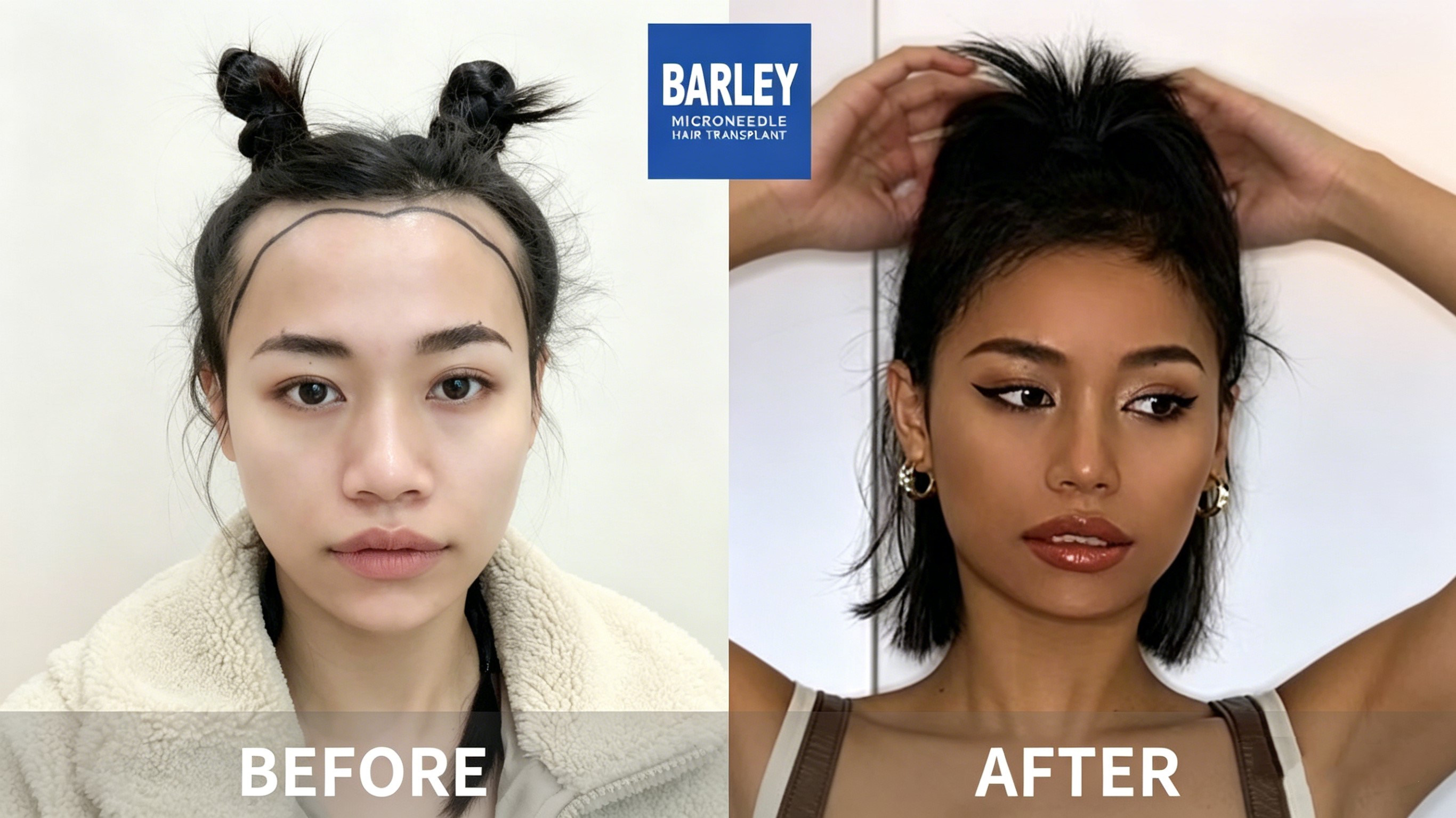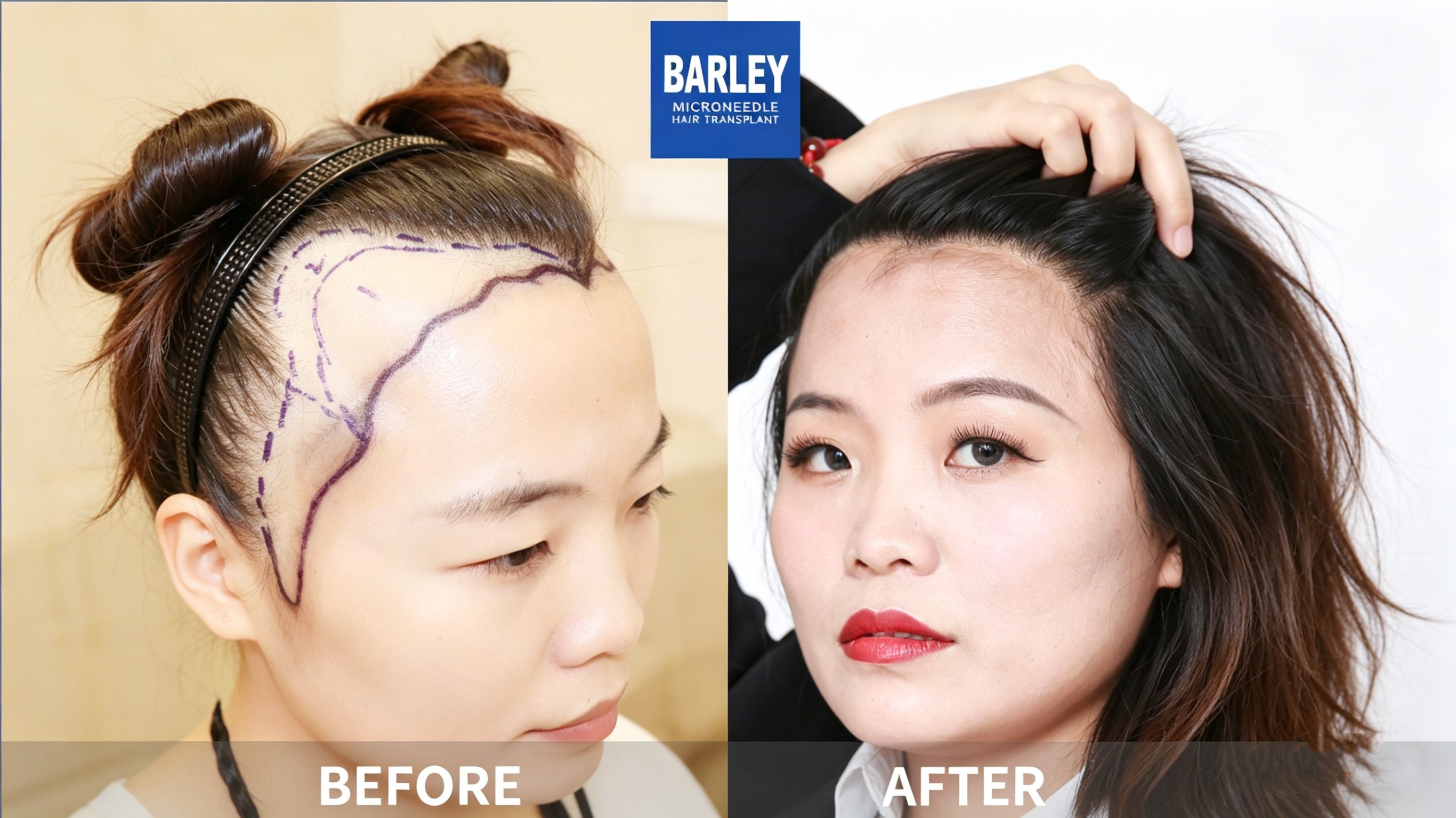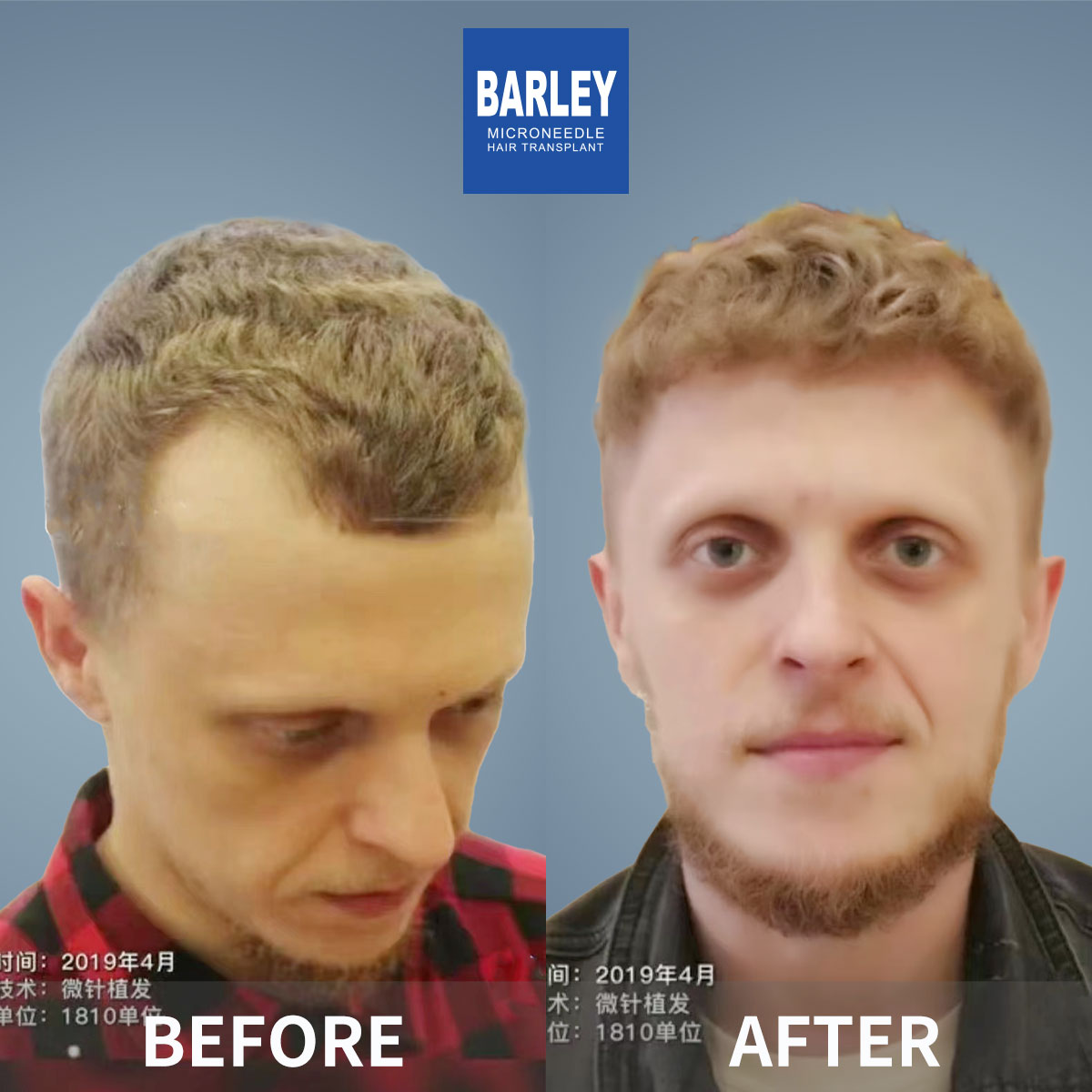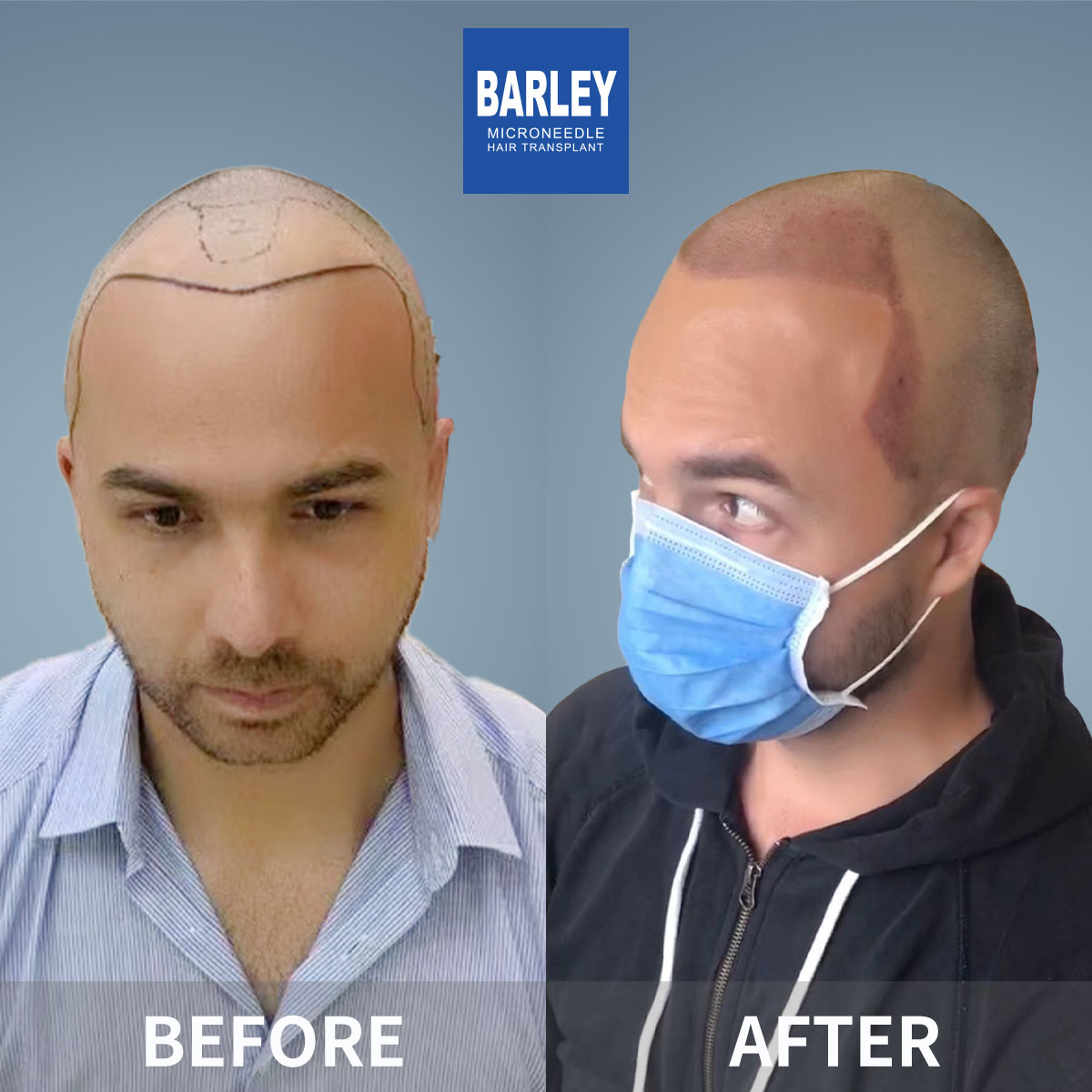
Maximum Coverage

Comprehensive Scalp Reconstruction in a Single Session

The strip approach delivers the highest volume of grafts possible during one procedure — ideal for advanced baldness scenarios

Schedule Your Complimentary Assessment
Cost Effective

Reduce Expenses by Up to 70% Compared to Western Clinics

Top-tier FUT surgery in China at a fraction of American or British pricing

Schedule Your Complimentary Assessment
Proven Technique

A Heritage of Consistent Results

A well-established method enhanced with modern scar-minimisation techniques for superior visual outcomes

Schedule Your Complimentary Assessment

Grasping the FUT Approach

Follicular Unit Transplantation, commonly known as the strip technique, remains one of the most dependable and time-proven methods for permanent hair restoration. During the procedure, the surgeon removes a narrow band of tissue from the back of your scalp — the area genetically resistant to male pattern baldness. This tissue is then carefully separated into individual follicular units using high-powered microscopes, and each graft is precisely positioned into regions showing thinning or complete baldness.

Although FUE has gained significant popularity recently, FUT remains the gold standard for patients who need the maximum number of grafts in a single session. At Barley Hospital, we have advanced the traditional strip method by integrating modern trichophytic closure techniques. This refined approach enables hair to grow directly through the scar line, making it nearly invisible compared to older FUT methods still used at many clinics worldwide.

The FUT Journey: Step-by-Step Breakdown

What to Expect on Your Procedure Day

Your FUT journey begins with the surgeon applying local anaesthesia to the donor area at the back of your head, guaranteeing complete comfort. Once full numbness is achieved, a thin strip of tissue — typically 1 to 1.5 centimetres wide and extending up to 30 centimetres long — is carefully removed. The incision is then closed using our trichophytic suturing technique, an advanced method that layers the wound edges so hair follicles grow directly through the scar, making it nearly invisible.

After extraction, the tissue strip is passed to our specialised technical team. Using high-definition stereo microscopes, they meticulously separate the strip into individual follicular units, each containing one to four hairs. Meanwhile, your surgeon creates tiny recipient sites in the areas needing coverage. Every graft is positioned at the exact angle, depth, and direction to match your natural growth pattern. The entire procedure typically takes four to eight hours, depending on the total number of grafts needed.

FUT vs FUE: Choosing the Best Option for Your Needs

Key differences to help guide your choice

Factor FUT (Strip Method) FUE (Individual Extraction)
Scarring One fine line, easily hidden by surrounding hair Small dot-like marks scattered across the donor area
Recovery Time Office work: 3-5 days; Full recovery: 2 weeks Office work: 1-3 days; Full recovery: 1 week
Grafts Per Session 3,000-5,000+ grafts 2,500-4,000 grafts
Surgery Duration 4-6 hours 6-8 hours
Very Short Hair Less ideal — the line may show Perfect option — nearly invisible
Cost Per Graft More affordable — excellent value for high-volume sessions Higher cost per graft
Donor Area Impact One strip removed from the donor zone Scattered extraction points throughout the donor zone
Best For Advanced hair loss, extensive coverage needs, budget-conscious patients All stages of hair loss, preference for very short hairstyles

Cases Where FUT Excels

Advanced Hair Loss

When you've reached Norwood stage 6 or 7 and need over 3,500 grafts in one session, FUT provides the extensive coverage other methods simply cannot match.

Higher Total Graft Count

Across multiple procedures, FUT often delivers a greater cumulative graft count than FUE due to its donor-area conservation benefits, making it the preferred choice for complete scalp restoration.

Economical Option

With a lower per-graft price than FUE, FUT allows wide coverage at a significantly reduced total cost — especially when your procedure is performed at our facilities in China.

Recovery Period and Scar Control

Your Post-Procedure Healing Journey

The healing period after FUT is slightly longer than FUE due to the linear incision along the back of the scalp. Most patients experience mild discomfort during the first two to three days, which is easily managed with prescribed medications. You can return to desk work within 3-5 days, though intense physical activity and heavy lifting should be avoided for at least 2 weeks to protect the healing incision.

Stitches or staples are removed 10-14 days after your procedure. The linear mark will gradually fade and soften over the following months. Thanks to our trichophytic closure technique, hair grows naturally through the scar line, making it barely noticeable as long as you keep at least 1-2 cm of hair length at the back of your head. Most patients find the scar is easily concealed by their existing hair and doesn't impact their daily confidence.

Time-Tested Technique

FUT Hair Transplant

Strip harvesting enhanced with modern scar-minimisation technology
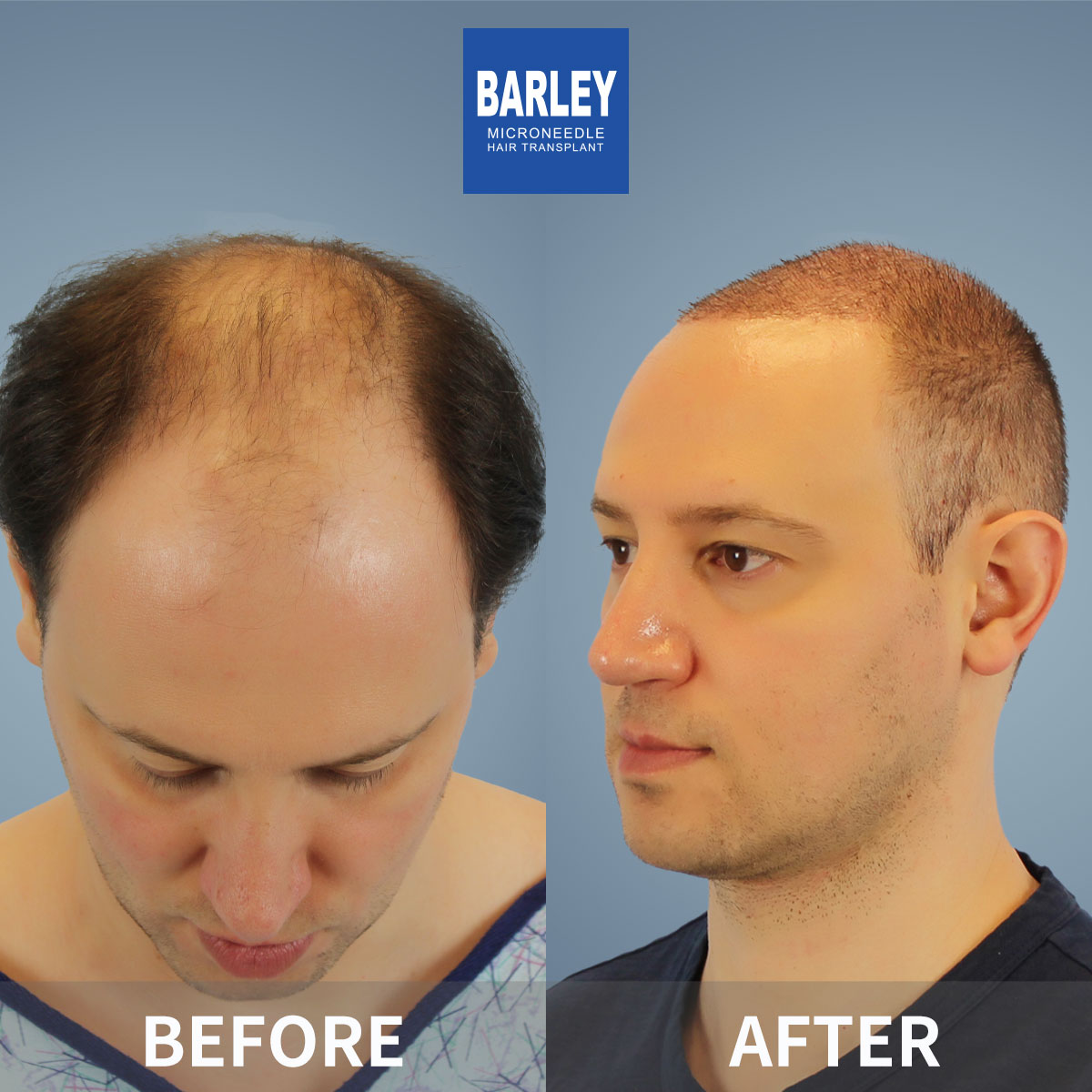
FUT Hair Transplant

Classic Method, Modern Standards

While FUE is our most commonly recommended technique, FUT remains the best option for patients with specific needs. Our surgical team has perfected the strip method through advanced closure techniques that minimise scarring and maximise graft survival. We provide honest, straightforward advice on which approach truly suits your situation.

  • Ideal for specific clinical situations
  • Refined surgical technique with modern closure
  • Excellent graft survival rates
  • Comprehensive post-operative care plan
  • Clear recommendation on the best method for your needs

Who Benefits Most from FUT?

  • Patients needing a large graft volume
  • Good scalp flexibility and elasticity
  • Those willing to keep longer hair at the nape
  • Budget-conscious patients seeking wide restoration
  • Cases with specific clinical reasons for FUT
  • Situations where FUE is not medically recommended

Challenges We Solve

  • Extensive baldness requiring maximum graft numbers
  • Limited donor area reserves for FUE extraction
  • The need for broad coverage in one operation
  • Medical conditions that prevent FUE use
  • Financial constraints for large-scale restoration
  • Patients who have had successful FUT before

Why Choose Barley?

  • FUE-first approach: We recommend FUE unless FUT is clearly better for your case
  • Honest advice: We suggest what truly benefits you, not what helps our profits
  • Refined skill: Expert strip extraction with precise suturing
  • Scar reduction: Careful trichophytic closure techniques
  • Full transparency: Every advantage and limitation discussed upfront
  • Your choice: The final decision always stays with you

Understanding the Strip Harvesting Method

A thorough look at each stage of the FUT procedure

Tissue Strip Extraction

  • A thin band of hair-bearing skin is carefully removed
  • Typically 1-1.5 cm wide from the donor area
  • Trichophytic suturing is applied right away
  • Local anaesthesia keeps you comfortable throughout

Microscope-Assisted Graft Separation

  • The strip is divided into individual follicular units
  • Precise separation done under stereo microscope guidance
  • Each follicle is carefully preserved and kept moist
  • Graft survival rates match or exceed FUE standards

Large-Scale Graft Placement

  • Ideal for patients needing major restoration
  • Significantly more grafts possible in one session
  • A cost-effective solution for extensive bald areas
  • Especially beneficial for Norwood 6-7 patients

Our Scar Minimisation Approach

Barley's refined method for achieving the best cosmetic outcome possible

Surgeon Expertise

  • Over 10 years dedicated to FUT improvement
  • Specialised training in advanced closure techniques
  • Thousands of successful strip procedures in our record
  • Deep understanding of scalp elasticity and tension patterns

Trichophytic Wound Closure

  • Advanced dual-layer suturing technique
  • Hair grows directly through the resulting scar line
  • The mark blends naturally, mimicking a natural hair parting
  • Barely visible when hair is kept at normal length

Ideal Candidates

  • Wide Norwood 5-7 hair loss patterns
  • Patients who need the highest possible graft numbers
  • Willing to keep longer hair at the back of the scalp
  • Price-conscious patients with significant coverage needs

Your FUT Journey: From First Consult to Complete Healing

A proven method enhanced by modern surgical expertise

1

Honest Evaluation

We help you decide between FUT and FUE based on your specific needs

2

Precise Strip Extraction

Careful tissue removal while you rest comfortably under local anaesthesia

3

Microscope-Based Graft Separation

Individual follicles are isolated using high-magnification microscopes

4

Recipient Area Planning

Strategic placement design for results that look completely natural

5

Graft Implantation

Detailed placement performed with surgical precision

6

Custom Aftercare

Personalised follow-up to ensure optimal healing in the donor area

Why Barley Leads the Field

Industry leaders supported by a global success record

18+ Years of Experience

Leading hair transplant innovation in China since 2006

30+ Locations Nationwide

Found in China's major cities, all following the same strict standards

10+ Proprietary Technologies

Innovative microneedle and implant pen technologies for better results

100,000+ Successful Procedures

Trusted by international patients from over 60 countries

Full English Support

English-speaking coordinators guiding you from first consultation to final follow-up

Patient Safety First

Modern facilities with strict safety protocols at every stage

Real Patient Results

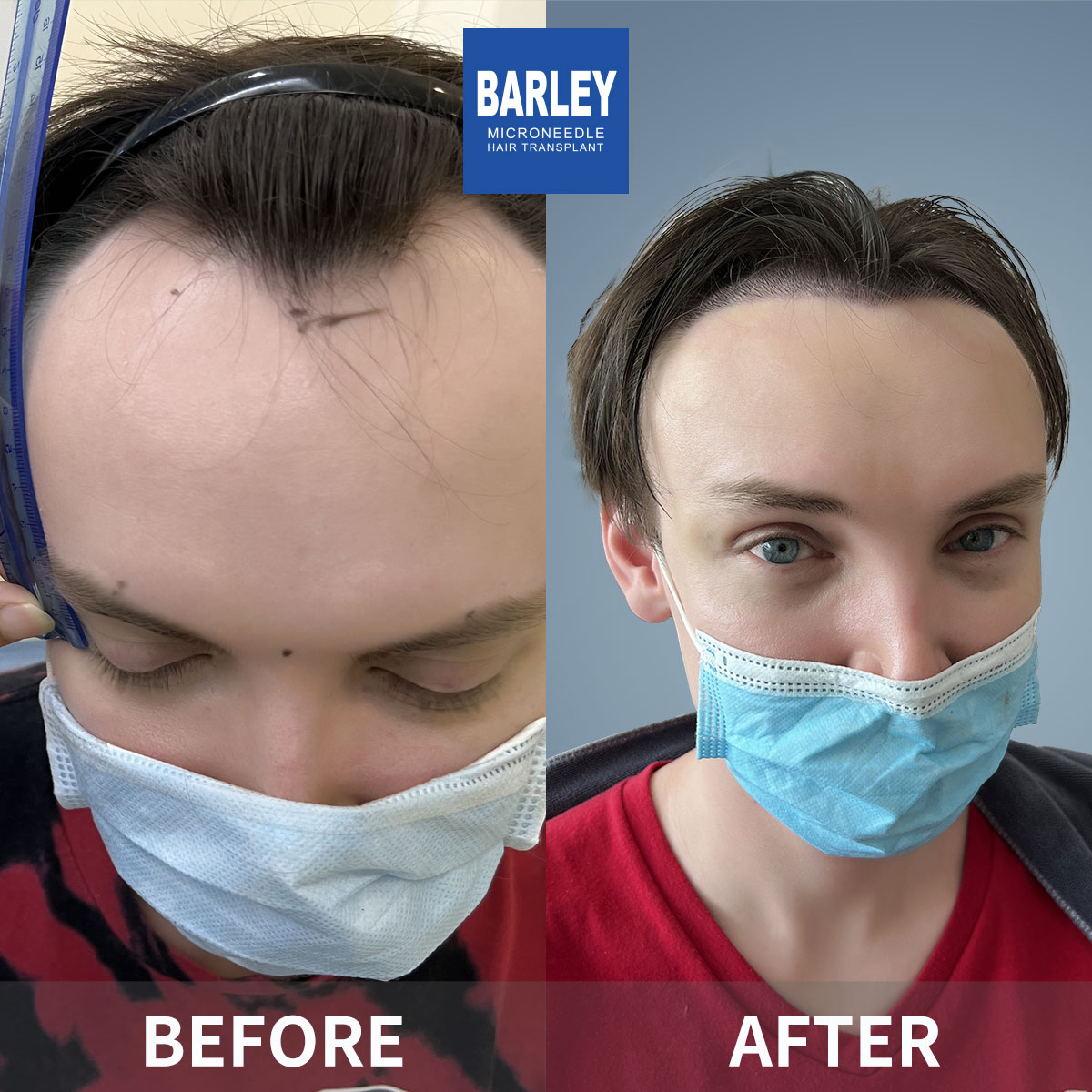
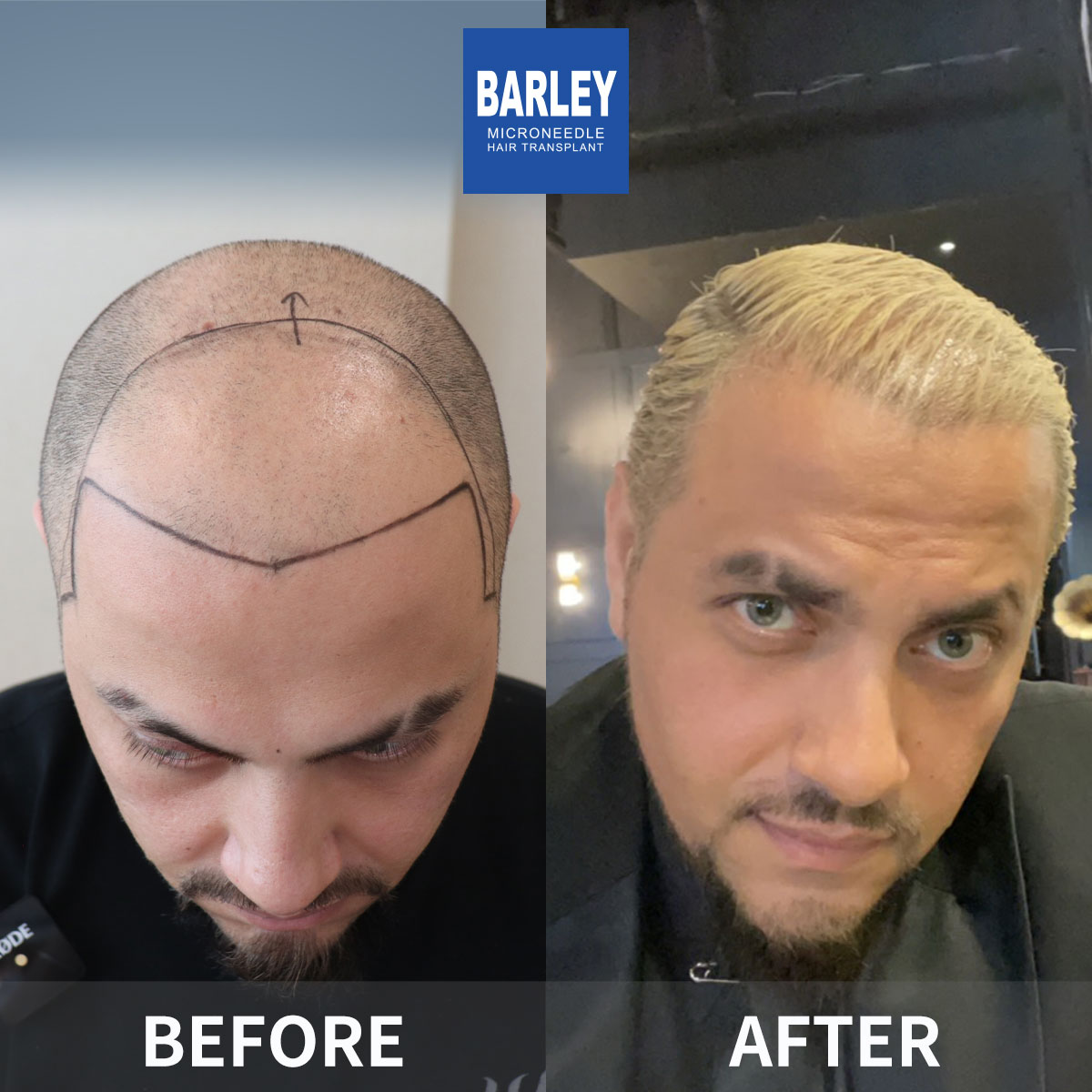
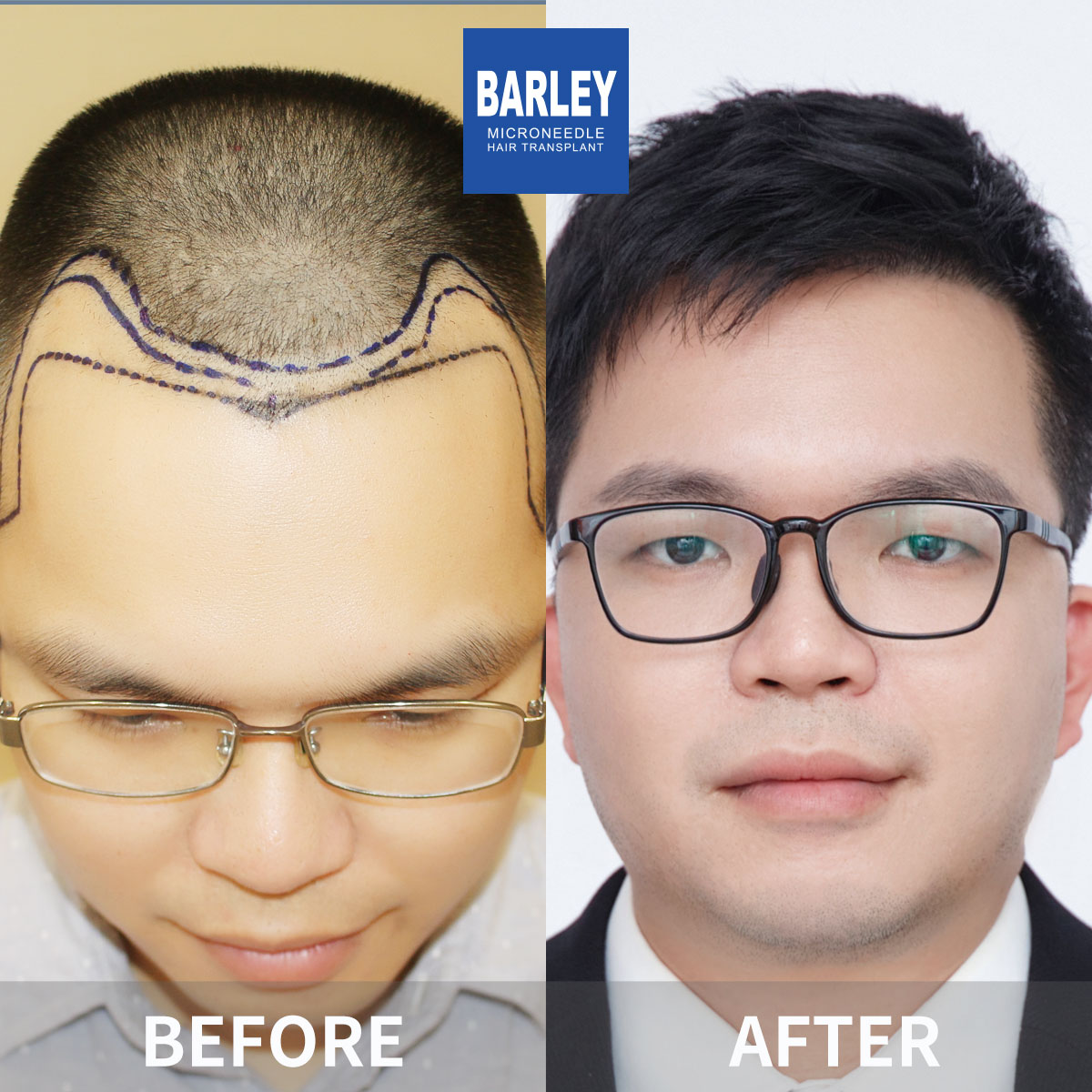
See the impressive changes our patients have achieved through FUT
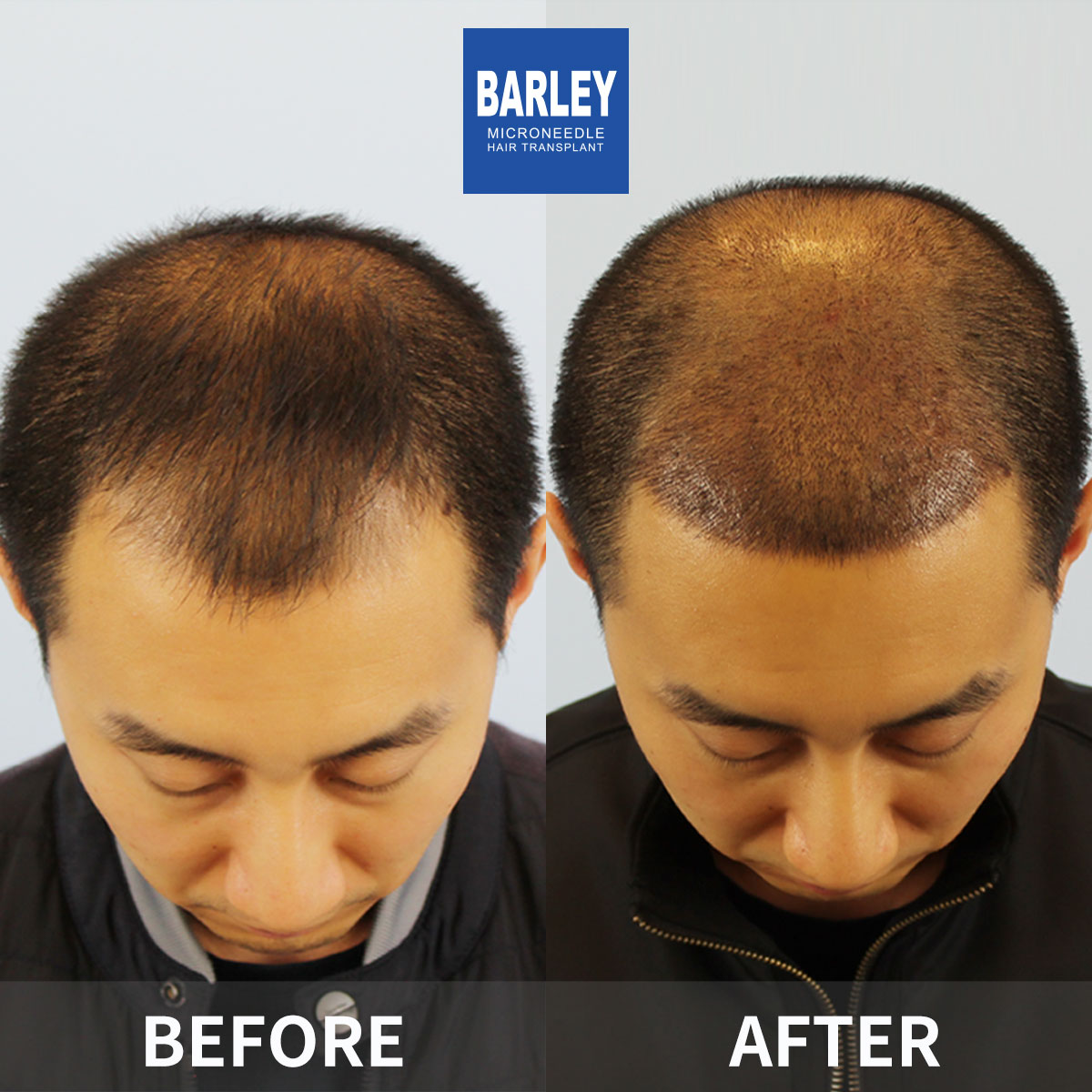
Happy Patients at Barley

Memorable moments captured with patients from around the world
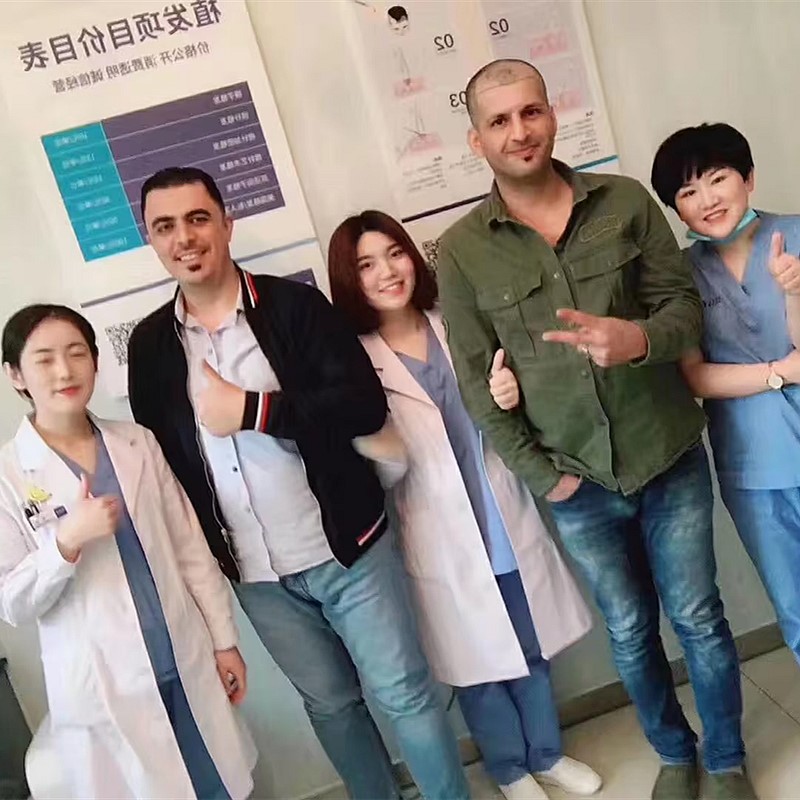
Patient Experience

Delighted with the Results

A pleased patient showing their natural-looking hair restoration

Patient Journey

A Remarkable Journey

A grateful patient celebrating their impressive transformation

Happy Patient

Confidence Restored

A smiling patient displaying their new, natural hairline

Patient Success

The Transformation Shown

A patient presenting their impressive before-and-after journey
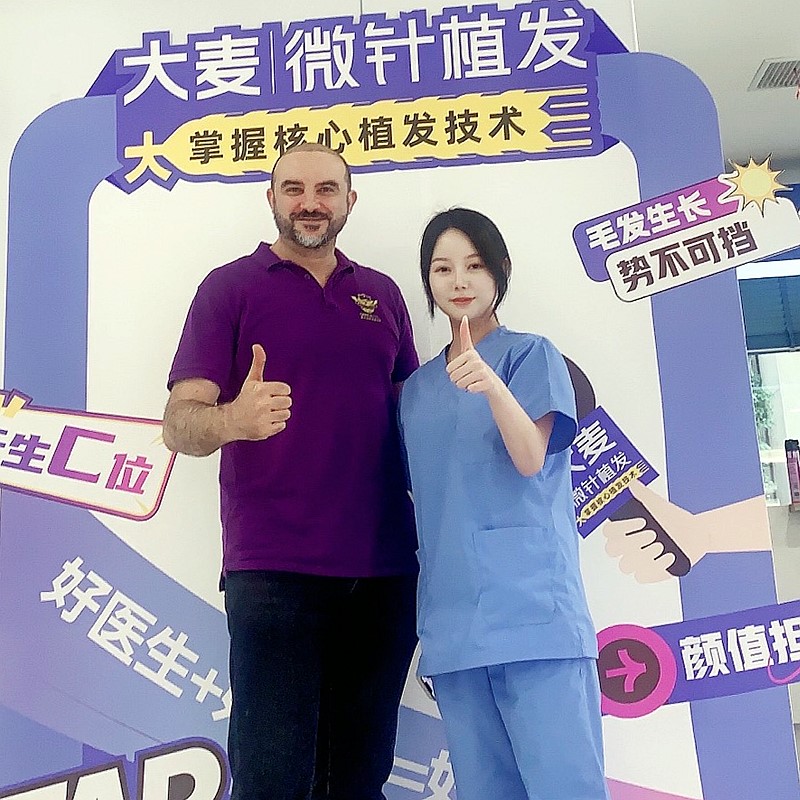
Patient Transformation

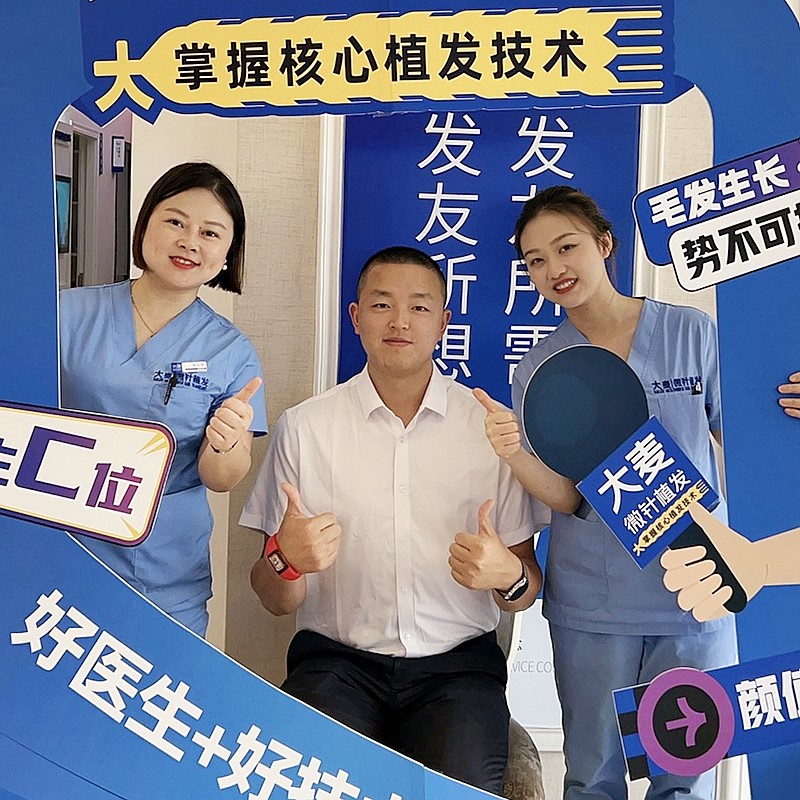
International Patient

An overseas patient thrilled with their Barley results
Patient Testimonial

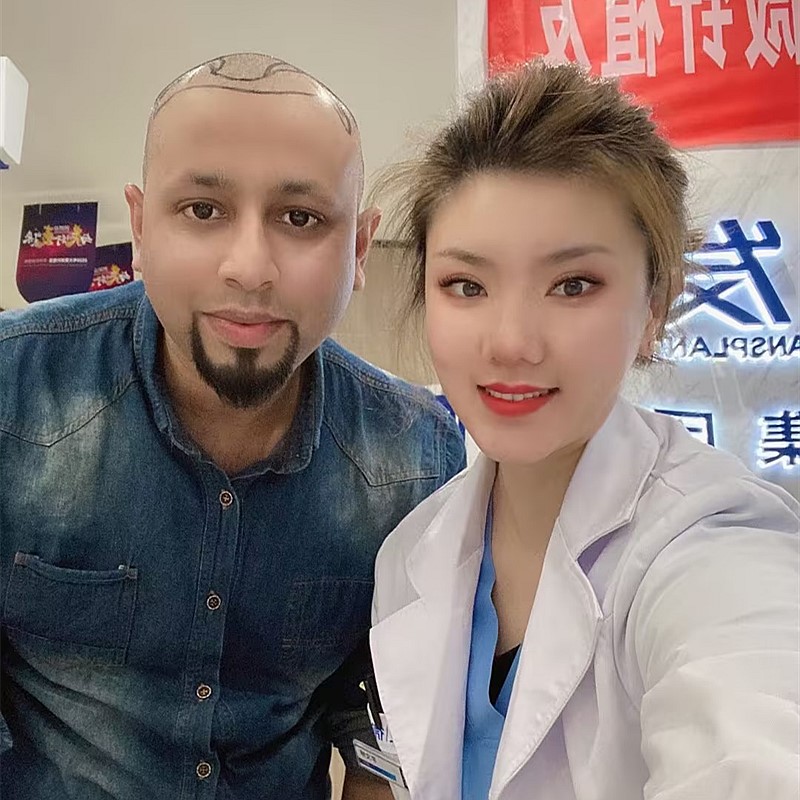
Excellent Outcome

A patient smiling with their new, naturally beautiful hair
Patient Story

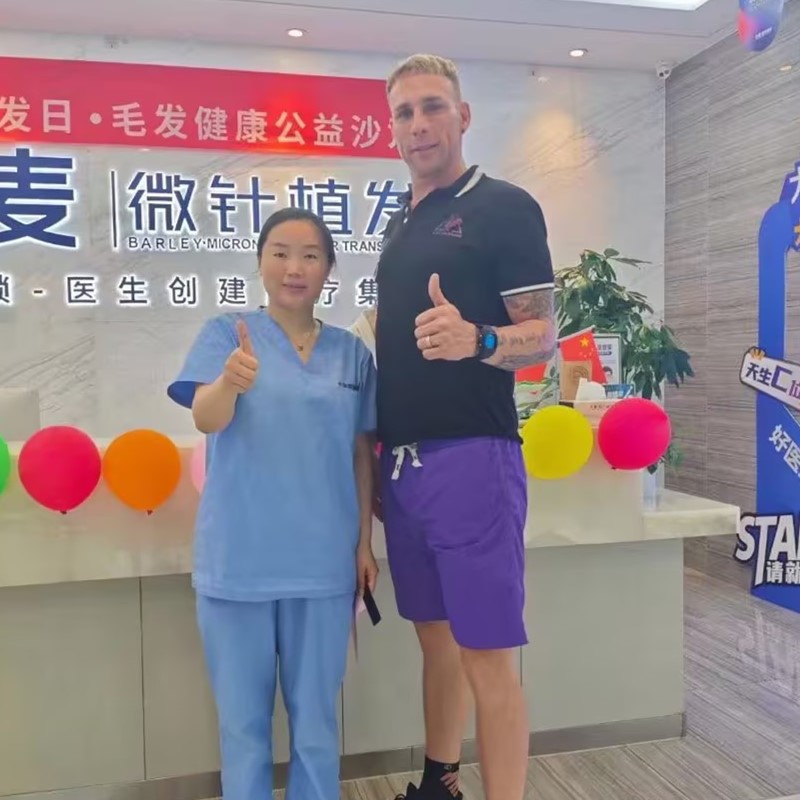
A Fulfilling Experience

A satisfied patient alongside our dedicated clinical team
Patient Result

Outstanding Results

A patient proudly showing their successful FUT hair restoration

What Patients Say

Real stories from people who chose FUT at Barley

I was losing hair rapidly in my early thirties and needed maximum coverage fast. FUT gave me 4,100 grafts in a single session - something FUE simply couldn't match. The trichophytic closure technique was impressive; the scar is completely hidden under my hair. At 14 months, the density across my crown and mid-scalp is outstanding. The cost savings compared to clinics in Toronto were substantial, and the English support made everything straightforward.

MT

Michael Thompson

Canada

As a budget-conscious patient with advanced Norwood 6 baldness, FUT was the only realistic option. Barley harvested 4,800 grafts from a single strip, and the per-graft cost was significantly lower than FUE. The surgery took about 7 hours, and I experienced mild tightness for three days. The scar is a fine line that disappears completely with normal hair length. Now at 11 months, I have comprehensive coverage that I couldn't have afforded with FUE. Excellent value and results.

GP

Giuseppe Rossi

Italy

I had excellent scalp laxity and donor density, making me an ideal candidate for FUT. The surgeons removed a 28cm strip and used advanced tension-reducing sutures. The resulting scar is barely 1mm wide and completely invisible unless I shave my head. They transplanted 3,900 grafts with a 96% survival rate. The strip method also means the follicles spend minimal time outside the body, which maximizes viability. At 13 months, the results are exceptional.

KW

Klaus Wagner

Austria

After my first FUT in Spain left me with a widened, visible scar, I was hesitant to try again. But Barley's approach was completely different. They used precise trichophytic closure and meticulous microscope dissection. I received 3,600 grafts with excellent survival. The new scar is thin and hair grows through it naturally. At 10 months, the coverage is far superior to my previous attempt. I wish I had come to Barley from the beginning.

AF

Ahmed Al-Farsi

UAE

I keep my hair at a #3 guard length, so I was concerned about scar visibility. But the trichophytic closure technique means hair actually grows through the scar line, making it virtually undetectable. FUT allowed them to harvest 4,300 grafts in one session - perfect for my extensive Norwood 5-6 pattern. The cost per graft was much lower than FUE, and the results at 12 months are outstanding. The scar is completely hidden, and I have real density for the first time in years.

PB

Peter Bergman

Sweden

As a Norwood 7 with extensive baldness, I needed the maximum graft count possible. FUT delivered 5,000 grafts in a single session - far beyond what FUE could achieve. The surgery took 8 hours, but the discomfort was minimal. The trichophytic closure created a scar that's essentially invisible with normal hair length. At 15 months, I have comprehensive coverage from front to crown. The financial savings compared to UK clinics were remarkable, and the quality exceeded my expectations.

TN

Takeshi Nakamura

Japan

Our Medical Facilities

Modern spaces designed for your comfort and peace of mind

Barley Hospital Clinic Interior

Modern Treatment Area

Our advanced, state-of-the-art treatment environment

Barley Hospital Waiting Area

Welcoming Lounge

Relax in our upscale patient waiting area
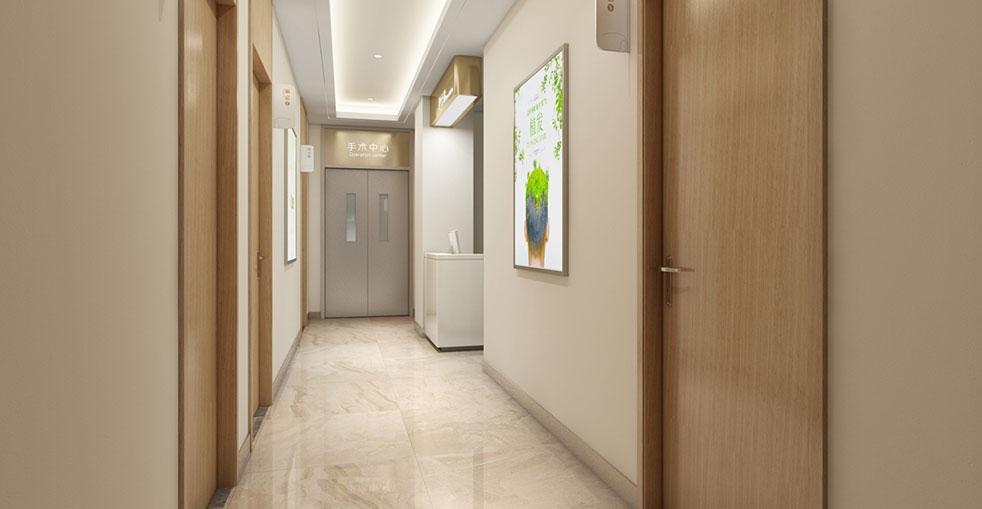
Barley Hospital Operating Theatre

Surgery Room

Sterile, fully equipped surgical theatre

Barley Hospital Consultation Room

Private Consultation Room

Confidential, one-on-one evaluation sessions

Barley Hospital Recovery Area

Recovery Area

A comfortable setting for your immediate post-procedure rest

Barley Hospital Reception

Reception Desk

Professional and friendly first point of contact

Frequently Asked Questions About FUT

Answers to the questions we hear most often from patients

How does the strip method produce more grafts than FUE?
FUT removes a continuous strip of tissue containing thousands of follicular units in one motion, which is then dissected under microscopes into individual grafts. Because the tissue is removed as a single piece, the surgeon can access the densest concentration of follicles without the time-consuming individual extraction required by FUE. This allows 3,000 to 5,000+ grafts in a single session, compared to the typical 2,500-3,500 graft ceiling with FUE. The efficiency of strip harvesting also means follicles spend less time outside the body, improving overall survival rates.
What is scalp laxity and why does it matter for FUT?
Scalp laxity refers to how loosely or tightly your scalp skin stretches. Patients with good laxity allow the surgeon to remove a wider strip without creating excessive tension when closing the wound. Low tension means a thinner, less visible scar and more comfortable healing. During your consultation, our surgeons will assess your scalp elasticity to determine the optimal strip width. If your scalp is particularly tight, we may recommend FUE instead, as the outcome could be compromised with FUT.
Can the FUT scar be repaired if a previous procedure left a bad one?
Yes, scar revision is one of the specialized services we offer. If a previous FUT procedure resulted in a widened or poorly closed scar, our surgeons can excise the old scar tissue and re-close the wound using modern trichophytic techniques. This allows hair to grow through the revised scar line, making it far less noticeable. Many patients who had disappointing FUT results elsewhere have come to Barley specifically for scar revision combined with additional graft placement.
How does FUT graft survival compare to FUE?
FUT grafts often have slightly higher survival rates than FUE because the follicles are removed as part of a protected tissue strip and spend less time exposed to air before being implanted. The microscope-assisted dissection process also allows technicians to carefully separate grafts without the risk of transection that can occur with punch-based extraction. At Barley, our FUT graft survival rates consistently reach 95-97%, which is comparable to or exceeds most FUE outcomes.
What happens if I need more grafts in the future after FUT?
If you need additional coverage after a FUT procedure, there are several options. A second FUT session may be possible if you have adequate remaining donor tissue and scalp laxity. Alternatively, FUE can be used to harvest additional grafts from the area above or below the original strip scar. Some patients benefit from a combination approach where FUE supplements the original FUT work. Our surgeons will evaluate your donor reserves and recommend the most appropriate strategy during your follow-up consultations.
Will the FUT scar stretch or widen over time?
With modern trichophytic closure and tension-reducing suturing techniques, significant scar widening is uncommon. However, individual healing varies based on genetics, skin type, and how well you follow post-operative care instructions. At Barley, we use a multi-layer closure approach that distributes tension across deeper tissue layers, minimizing the stress on the surface wound. Most patients find the scar remains thin and stable over time, especially when kept covered by hair at least 1-2 cm long.
Is FUT suitable for women with hair loss?
FUT can be suitable for women experiencing significant hair loss, particularly those with diffuse thinning patterns and adequate donor supply. However, female hair loss patterns differ from male patterns, and the decision between FUT and FUE depends on the specific case. Women who prefer to keep longer hair at the back of their scalp can easily conceal the FUT scar. During consultation, our surgeons will evaluate your hair loss pattern, donor density, and aesthetic goals to recommend the most appropriate technique.
How long does the FUT surgery actually take?
A typical FUT procedure takes between 4 and 6 hours, depending on the number of grafts required. The strip removal and closure take approximately 45-60 minutes, while the microscope dissection and graft implantation account for the remaining time. Larger sessions requiring 4,000+ grafts may extend to 7-8 hours. The procedure is performed under local anesthesia, and patients remain comfortable throughout. Many bring headphones, read, or even nap during the longer phases of the surgery.
What are the risks specific to FUT that don't apply to FUE?
FUT carries some unique considerations: the linear scar (though minimized with trichophytic closure), a slightly longer recovery period, and the possibility of temporary numbness or tingling in the donor area due to nerve disruption. There is also a small risk of wound dehiscence (separation) if the sutures are placed under excessive tension. However, these risks are significantly reduced with experienced surgeons and proper patient selection. At Barley, our complication rate for FUT is extremely low, and we thoroughly discuss all potential risks during your pre-operative consultation.
Can FUT be used for eyebrow or beard restoration?
While FUT is primarily used for scalp restoration, the technique can theoretically be adapted for eyebrow or beard work. However, FUE is generally preferred for facial hair restoration because it allows for more precise selection of individual follicles and avoids the linear scar. For scalp procedures requiring maximum graft volume, FUT remains the superior choice. If you need both scalp and facial restoration, we may recommend a combined approach using FUT for the scalp and FUE for the facial areas.
How does the cost of FUT compare to other countries?
FUT in China at Barley Hospital typically costs 50-70% less than equivalent procedures in the United States, United Kingdom, or Western Europe. For example, a 4,000-graft FUT session that might cost $12,000-$18,000 in the US can be performed at Barley for $3,500-$6,000, including all pre-operative assessments, the procedure itself, and post-operative care. Even after accounting for travel and accommodation expenses, international patients save thousands of dollars while receiving care from highly experienced surgeons using advanced techniques.
What type of anesthesia is used during FUT?
FUT is performed under local anesthesia, which numbs the donor and recipient areas completely. You remain awake throughout the procedure but feel no pain. Some patients request mild oral sedation to help them relax, which can be arranged. The initial anesthetic injections may cause a brief pinching sensation, but this subsides quickly. Once the area is fully numb, the procedure is entirely comfortable. After surgery, the anesthesia wears off gradually over 2-3 hours, and any discomfort is managed with prescribed pain medication.
Will FUT affect my ability to wear hats or helmets?
Once the donor area has fully healed (typically 2-3 weeks), you can wear hats, caps, and helmets without any issues. The scar is located at the back of the scalp and is well-protected by surrounding tissue. During the initial healing period, we recommend avoiding tight headwear that might put pressure on the wound. After complete healing, there are no permanent restrictions. Many of our patients work in construction, cycling, or motorcycle riding and wear helmets regularly without any problems related to their FUT scar.
How do I know if I have enough donor hair for FUT?
During your consultation, our surgeons will perform a thorough evaluation of your donor area, measuring both the density (follicles per square centimeter) and the total available surface area. They will also assess your scalp laxity and hair characteristics. Generally, patients with good density in the occipital region (back of the head) and adequate scalp flexibility are excellent candidates for FUT. If your donor supply is limited, we will discuss alternative options including FUE or body hair transplantation.
What is the success rate of FUT at Barley?
Barley's FUT success rate exceeds 95% for graft survival, with patient satisfaction rates above 97%. Our success is built on 18+ years of experience, over 100,000 completed procedures, and the use of advanced trichophytic closure techniques that minimize scar visibility. Our surgical team includes only senior surgeons with 10+ years of specialized experience. We also provide comprehensive post-operative care and follow-up to ensure optimal outcomes. Our track record with international patients demonstrates consistent, reliable results across diverse hair types and loss patterns.

Ready to Explore Your Options?

Contact us for a free, no-obligation consultation

WeChat

15810155700

WhatsApp

+86 13730143529

Email

hairtransplant@qq.com

WeChat QR Code for Consultation